Provincial Palettes: How Britain's Regional Landscapes Shape National Beauty Trends
The Geography of British Beauty
The assumption that British beauty trends originate exclusively within London's creative corridors deserves serious examination. Across the nation's regional offices and independent consultancies, a sophisticated network of colour analysts and trend forecasters draws inspiration from landscapes that remain largely invisible to metropolitan beauty culture. Their influence on national colour palettes represents one of British beauty's most intriguing untold stories.
In Telford, where the industrial heritage of Ironbridge continues to shape the local aesthetic vocabulary, senior colour consultant Emma Richardson has spent the past decade documenting how regional colour preferences influence national beauty launches. "The rust tones that define Shropshire's industrial landscape appear consistently in autumn beauty collections," she observes. "Yet the beauty press invariably attributes these choices to international runway trends rather than acknowledging their distinctly British origins."
The Regional Colour Intelligence Network
Britain's major beauty retailers maintain a network of regional analysts whose role extends far beyond market research. These professionals possess intimate knowledge of local colour preferences rooted in landscape, architecture, and cultural heritage. Their insights inform product development decisions that ultimately shape the collections available to consumers nationwide.
James Morrison, whose work with a major British retailer spans the northern regions, describes his role as "translating regional aesthetic intelligence into commercial colour stories." His documentation of Northumberland's coastal palette—those distinctive silvery blues and weathered greys that define the county's dramatic shoreline—has influenced multiple high-street eyeshadow launches over the past five years.
"Retailers understand that successful colour collections must resonate with consumers across diverse regional markets," Morrison explains. "A palette that works brilliantly in London may feel completely alien to customers in Newcastle or Plymouth. Our role is ensuring that national launches acknowledge and celebrate this regional diversity."
The Yorkshire Influence
Perhaps nowhere is regional colour influence more pronounced than in Yorkshire, where the dramatic contrast between industrial heritage and natural beauty has created a distinctive aesthetic vocabulary. The county's beauty consultants have documented how local colour preferences—informed by everything from Pennine stone to the patina of Sheffield steel—consistently appear in national beauty collections.
Sarah Henderson, whose consultancy work spans Leeds, Sheffield, and Bradford, has identified recurring patterns in how Yorkshire colour preferences influence national trends. "The warm greys and muted golds that characterise Yorkshire stone appear reliably in spring beauty collections," she notes. "These aren't coincidences—they reflect sophisticated understanding of how regional colour preferences translate into commercial success."
Henderson's analysis reveals how beauty buyers use regional colour intelligence to create collections that feel simultaneously fresh and familiar to consumers. "The most successful launches acknowledge regional colour heritage whilst presenting it in contemporary contexts," she explains.
The Welsh Colour Narrative
Wales presents perhaps the most compelling case study in regional colour influence. The country's dramatic landscape variations—from the slate greys of Snowdonia to the warm terracottas of Pembrokeshire—have provided beauty formulators with a remarkably diverse colour palette that challenges conventional seasonal categorisation.
Dr. Megan Evans, whose research at Cardiff University examines the relationship between landscape and aesthetic preference, has documented how Welsh colour traditions influence British beauty trends in unexpected ways. "The deep purples and slate greys that appear in autumn beauty collections often trace directly to Welsh landscape references," she observes. "Yet this influence remains largely unacknowledged in beauty marketing, which tends to credit more exotic inspirations."
Evans's work reveals how regional colour intelligence operates as a form of cultural capital, with beauty professionals drawing on landscape knowledge to create collections that resonate with consumers on subliminal levels.
The Scottish Highlands Palette
Scotland's influence on British beauty colour stories extends far beyond the obvious tartans and tweeds. The sophisticated interplay between Highland landscape colours—the deep purples of heather, the silvery greens of mountain grass, the warm browns of peat—has provided beauty formulators with inspiration that translates beautifully into contemporary cosmetics.
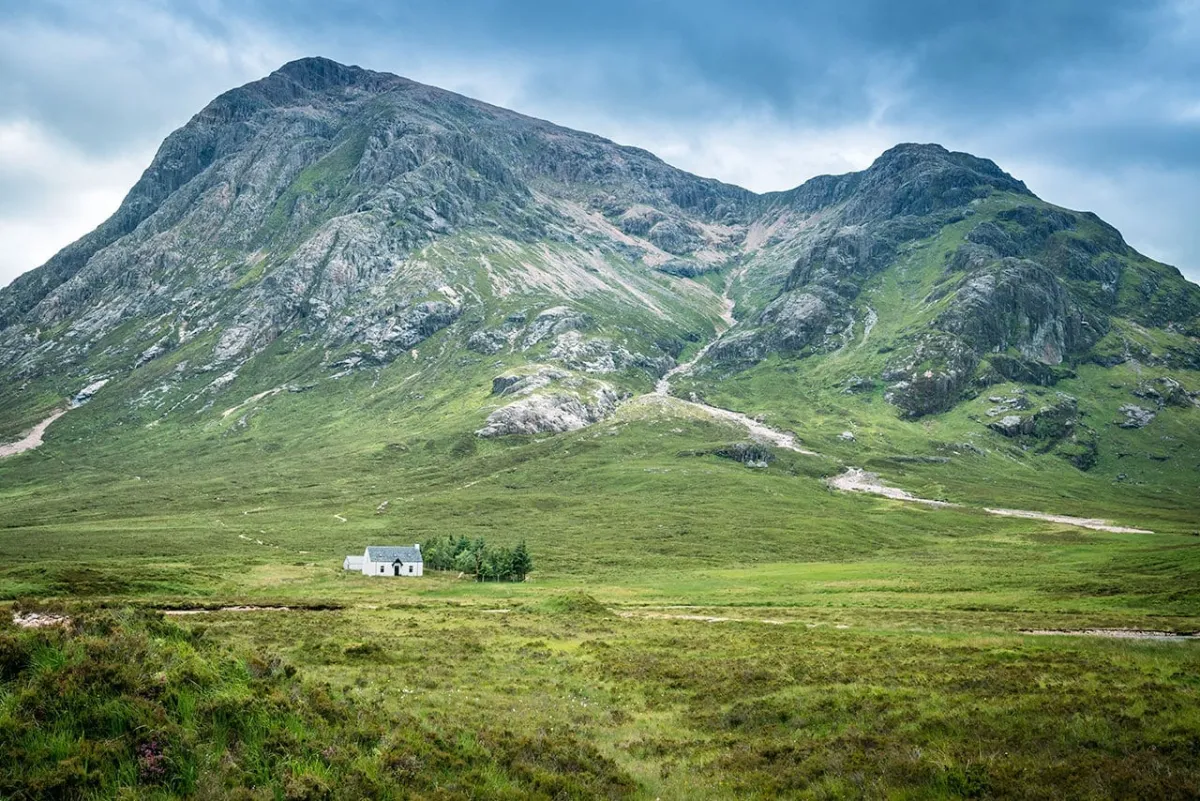 Photo: Scottish Highlands, via expertvagabond.com
Fiona MacLeod, whose Edinburgh-based consultancy works with several major British beauty brands, describes the Highland palette as "endlessly sophisticated in its restraint." Her analysis of how Scottish colour preferences influence national beauty trends reveals patterns that extend beyond seasonal collections into fundamental approaches to colour formulation.
"Scottish consumers demonstrate remarkable sophistication in colour selection," MacLeod explains. "They favour complexity over simplicity, depth over brightness. This preference has influenced how British brands approach colour formulation across all product categories."
The Commercial Translation
The process by which regional colour intelligence becomes commercial beauty product involves sophisticated understanding of both local preference and national appeal. Beauty buyers must balance regional authenticity with broader market accessibility, creating collections that honour local colour heritage whilst appealing to diverse consumer bases.
This translation process often involves subtle adjustments that maintain the essential character of regional colour stories whilst ensuring commercial viability. The result is beauty collections that feel distinctly British whilst avoiding obvious regional stereotypes.
The Future of Regional Influence
As British beauty culture continues to evolve, the influence of regional colour intelligence appears increasingly significant. Consumers demonstrate growing appreciation for authenticity and provenance in beauty products, creating opportunities for brands that acknowledge and celebrate regional colour heritage.
The sophisticated network of regional colour analysts and trend forecasters represents one of British beauty's most valuable yet underappreciated resources. Their work ensures that national beauty collections reflect the full spectrum of British aesthetic intelligence rather than metropolitan assumptions about national taste.
For the discerning consumer, understanding this regional influence provides valuable context for beauty choices. The colours that appear in seasonal collections often carry deeper cultural resonance than marketing materials suggest, connecting contemporary beauty routines to the rich landscape heritage that defines British aesthetic sensibility.
This hidden geography of British beauty reveals an industry far more sophisticated and culturally aware than conventional narratives suggest—one that draws strength from regional diversity rather than metropolitan dominance.