Estate Botanicals: The Aristocratic Gardens Cultivating Britain's Most Exclusive Beauty Ingredients
The Heritage Harvest Revolution
Beneath the manicured lawns and ornamental parterres of Britain's most celebrated estates lies a quiet revolution that is transforming the landscape of luxury skincare. The walled kitchen gardens that once sustained aristocratic households are experiencing an unexpected renaissance, their historic growing methods now prized by a new generation of beauty formulators seeking ingredients of unparalleled provenance and potency.
At Chatsworth, where the Duchess of Devonshire's experimental herb borders flourish within protective stone walls, head gardener Steve Porter has observed a marked shift in interest from beauty brands seeking partnerships. "We're not simply growing herbs for the kitchen anymore," he explains. "These formulators understand that our centuries-old soil composition and microclimate create botanical expressions that simply cannot be replicated in commercial growing environments."
The Terroir of British Beauty
The concept of terroir—that distinctive combination of soil, climate, and cultivation technique that defines the character of wine—has found new expression in the realm of British skincare. Castle Howard's kitchen gardens, enclosed within their original 18th-century walls, maintain growing conditions that have remained largely unchanged for three centuries. This consistency has attracted attention from formulators seeking ingredients with traceable histories and predictable active compound profiles.
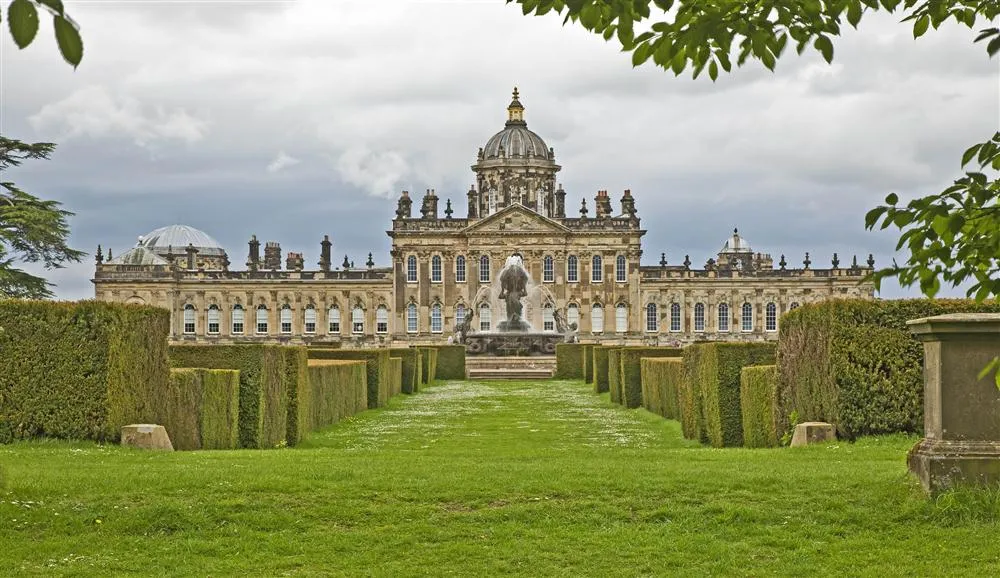 Photo: Castle Howard, via www.jorvik.co.uk
Sarah Raven, whose partnership with several National Trust properties has yielded extraordinary results, emphasises the sophistication required to work with estate-grown botanicals. "Commercial suppliers can guarantee standardised extracts, but they cannot offer the narrative depth that comes with ingredients harvested from gardens with documented cultivation records spanning centuries," she notes. "For the discerning consumer, this provenance represents an entirely different category of luxury."
Cultivation Beyond Commerce
The revival extends far beyond mere novelty. At Sissinghurst, where Vita Sackville-West's white garden continues to inspire contemporary plantings, head gardener Alexis Datta has developed cultivation protocols specifically for beauty applications. Ancient varieties of chamomile and calendula, maintained through careful seed saving, demonstrate potency levels that surpass their commercial counterparts by significant margins.
"We're working with genetic material that predates industrial agriculture," explains Datta. "These heritage varieties have retained characteristics that were bred out of commercial crops in favour of yield and shelf stability. For skincare applications, those lost characteristics often represent the most valuable compounds."
The Independent Formulator Alliance
This estate renaissance has fostered an alliance between Britain's independent beauty formulators and heritage garden stewards. Unlike multinational beauty corporations, these smaller operations can work within the seasonal rhythms and limited quantities that define estate production. The result is a new category of British skincare that celebrates both botanical excellence and cultural heritage.
Formulator Emma Hardie, whose partnerships with three Yorkshire estates have yielded exceptional results, describes the collaborative process: "Working with estate gardens requires patience and respect for traditional growing cycles. You cannot simply order ingredients on demand. Instead, you must adapt your formulation timeline to match the garden's natural rhythm."
The Seasonal Sophistication
This approach demands a level of sophistication from both formulators and consumers. Limited harvest windows mean that estate-derived products often launch in small batches, with availability determined by growing conditions rather than market demand. For Britain's most discerning beauty enthusiasts, this seasonal uncertainty represents authenticity rather than inconvenience.
The gardens at Hidcote, where Lawrence Johnston's innovative plant combinations continue to thrive, exemplify this seasonal approach. Their collaboration with independent formulators has produced skincare collections that reflect the garden's distinctive plant combinations—lavender harvested at peak potency, combined with heritage roses that bloom only briefly each summer.
The Future of Estate Beauty
As this movement gains momentum, estate gardens across Britain are reconsidering their role beyond ornamental display. The economic sustainability offered by beauty partnerships provides crucial funding for garden maintenance whilst preserving traditional growing knowledge that might otherwise be lost.
This renaissance represents more than mere trend; it signals a fundamental shift towards beauty products that embody place, history, and craftsmanship. For the sophisticated British consumer, estate-derived skincare offers something that mass production cannot: the assurance that their beauty routine connects them to the living heritage of Britain's most treasured landscapes.
The walled gardens that once fed the nation's elite are now nurturing its skin, proving that true luxury lies not in exclusivity alone, but in the irreplaceable marriage of heritage, terroir, and uncompromising quality.