Urban Nectar: The Metropolitan Honey Revolution Transforming British Beauty
The Rooftop Renaissance
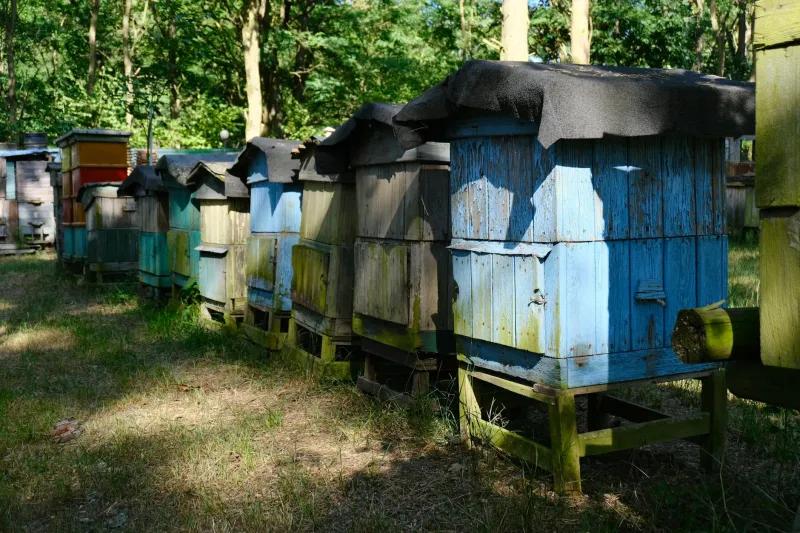
Across Britain's urban landscape, a quiet revolution unfolds on rooftops from Shoreditch to Stockport. Where once only pigeons and satellite dishes claimed dominion, thriving colonies of honeybees now contribute to an unexpected beauty renaissance that is redefining how we understand regional skincare formulation.
The phenomenon began with high-profile installations—Fortnum & Mason's Piccadilly hives yielding their famous London honey, Selfridges' Oxford Street colonies producing distinctly metropolitan nectar. Yet the most compelling developments emerge from smaller operations: the community apiary overlooking Bristol's harbourside, Edinburgh's New Town rooftop collective, and the remarkable transformation of Manchester's post-industrial skyline into a network of productive hives.
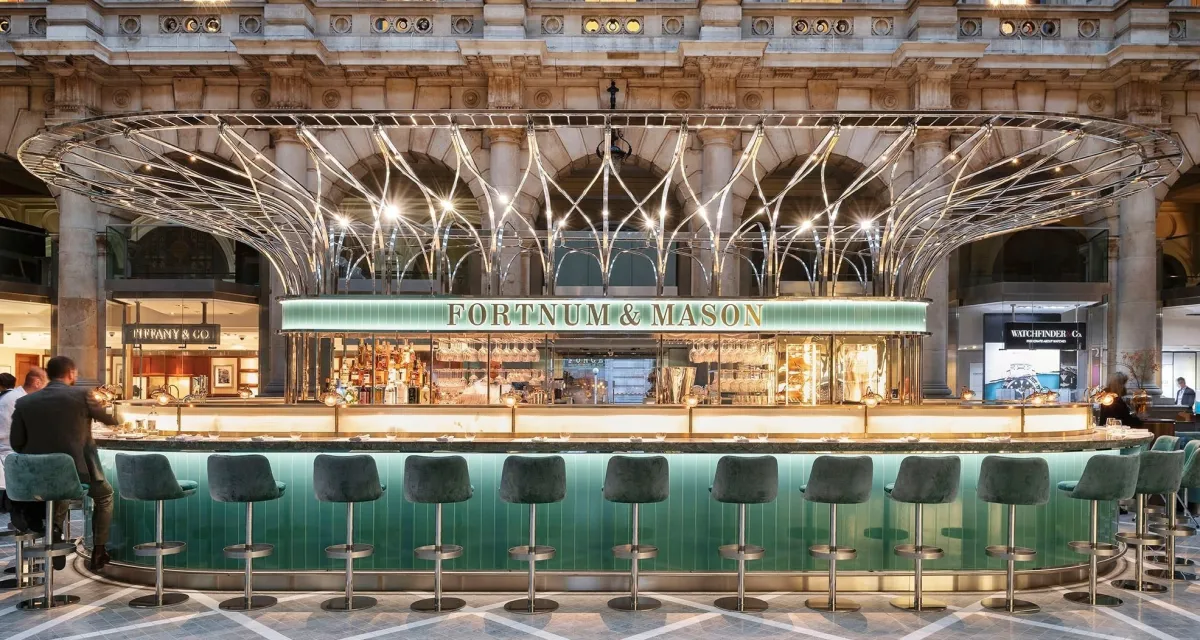 Photo: Fortnum & Mason, via careers.fortnumandmason.com
The Science of Urban Terroir
Dr Sarah Whitfield, a biochemist specialising in natural cosmetic actives at the University of Bath, explains the phenomenon: "Urban honey possesses a complexity that rural varietals simply cannot match. City bees forage from an extraordinary diversity of flora—from manicured park roses to wild buddleia colonising railway embankments. This botanical diversity translates directly into enhanced bioactive compounds."
The science proves compelling. Urban honey typically contains elevated levels of antioxidant flavonoids, antimicrobial peptides, and enzymatic compounds that rural honey lacks. London honey, for instance, shows remarkable concentrations of quercetin derived from the capital's lime trees, whilst Manchester's industrial honey exhibits unique phenolic profiles from its abundant hawthorn populations.
Artisan Alchemy
Independent beauty formulators have recognised these distinctions, forging direct relationships with urban beekeepers to create genuinely localised skincare lines. Helena Morrison, founder of Kentish Town-based Apiary Aesthetics, sources exclusively from North London hives. "Each postcode yields different properties," she explains. "Camden honey, rich in antioxidants from Regent's Park's diverse plantings, creates our most effective anti-pollution serums. Hampstead Heath honey, with its ancient woodland influences, produces remarkable barrier-repair formulations."
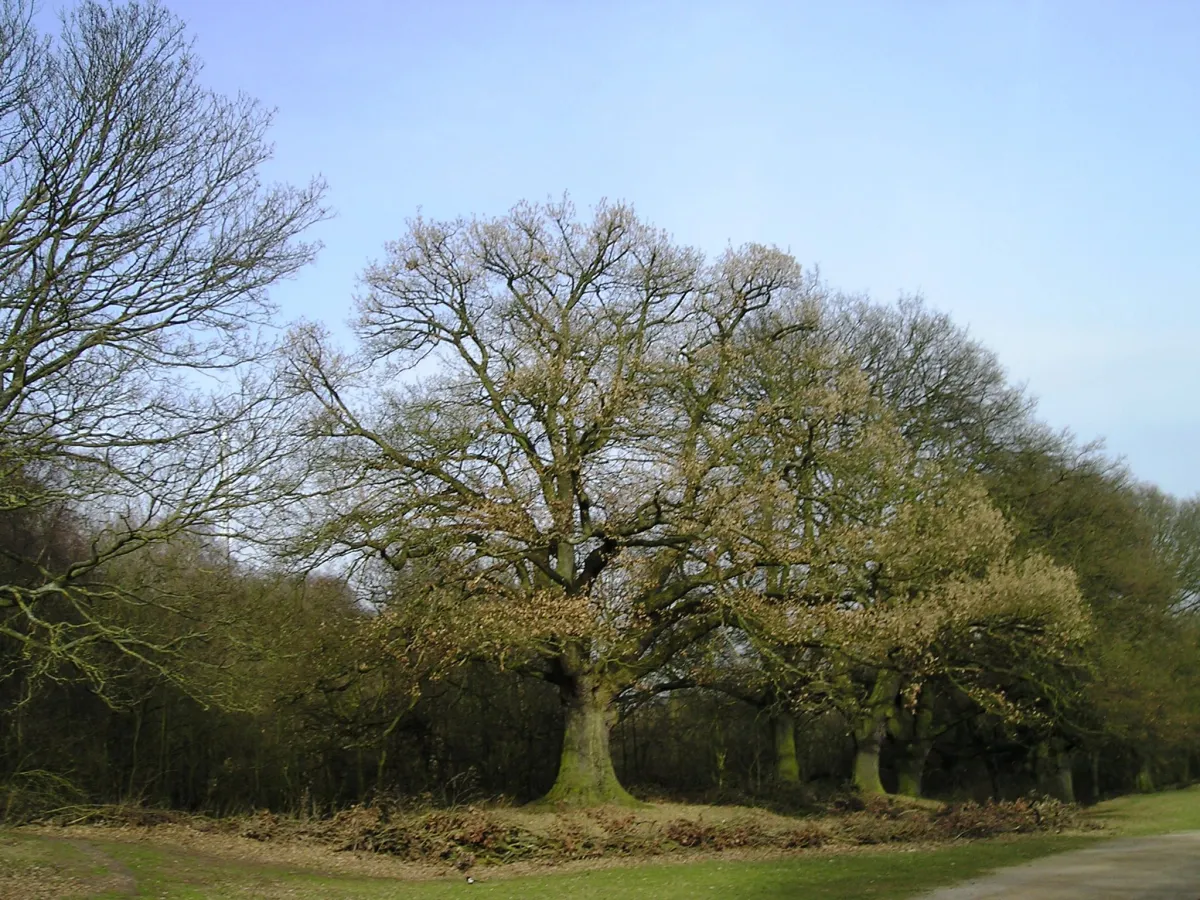 Photo: Hampstead Heath, via cia2peers.files.wordpress.com
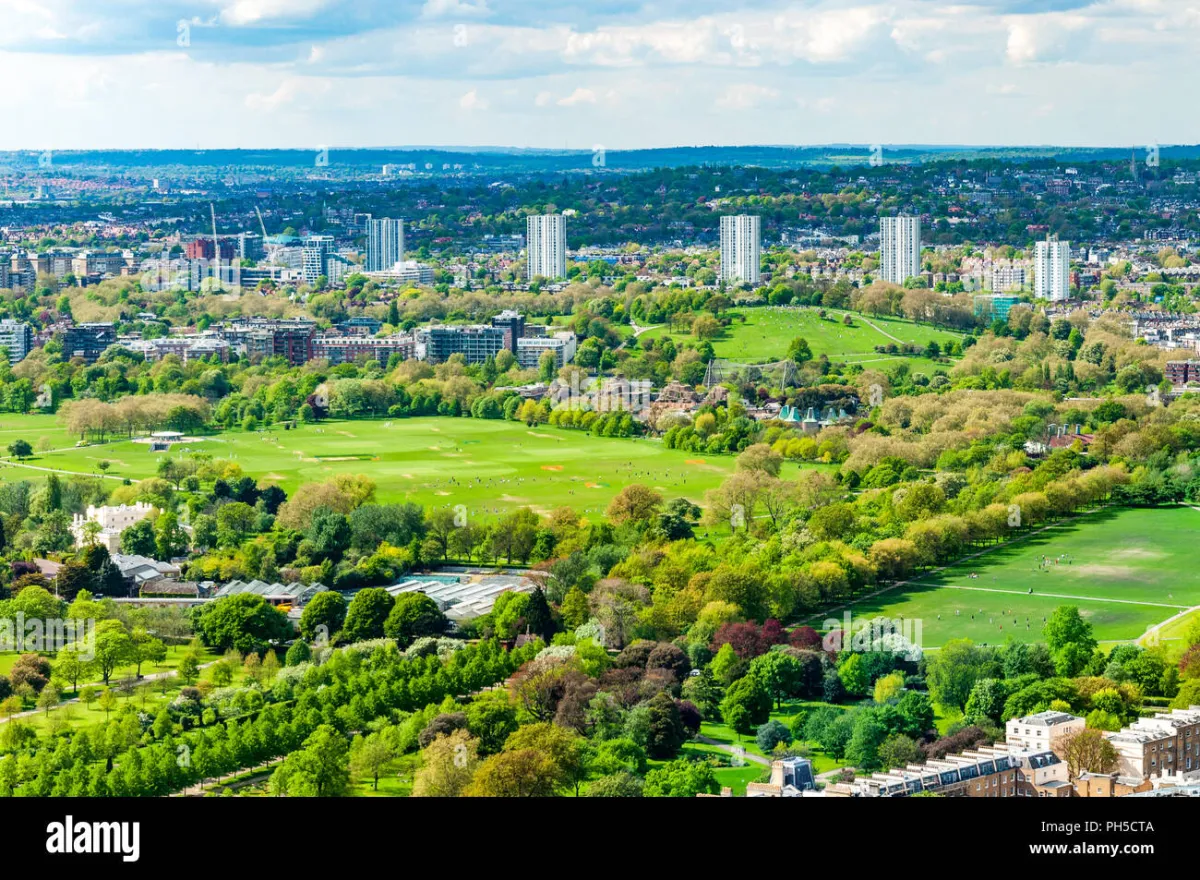 Photo: Regent's Park, via c8.alamy.com
Similarly, Glasgow-based Botanica Urban has developed a range using honey from hives positioned across the city's contrasting districts. Their Merchant City honey face mask, infused with propolis from bees foraging amongst Victorian botanical gardens, has garnered attention from beauty editors for its remarkable brightening properties.
The Propolis Proposition
Beyond honey itself, urban apiaries yield propolis of exceptional quality. This resinous substance, which bees use to seal their hives, contains powerful antimicrobial and anti-inflammatory compounds. Urban propolis, enriched by the diverse tree species city bees encounter, demonstrates enhanced therapeutic properties.
Professor James Hartwell of the Royal Pharmaceutical Society notes: "Urban propolis shows significantly higher concentrations of caffeic acid phenethyl ester, a compound with remarkable skin-healing properties. The diversity of urban tree species—from London planes to ornamental cherries—creates propolis profiles we've never observed in rural environments."
Raw Innovation
The movement towards raw, unprocessed honey in beauty formulations represents a departure from conventional cosmetic manufacturing. Traditional honey processing—heating and filtering—destroys many beneficial enzymes and compounds. Urban honey's inherent complexity makes preservation of these raw properties particularly valuable.
Sarah Chen, formulating chemist for independent brand Hive & Harvest, emphasises this distinction: "Raw urban honey retains live enzymes that provide gentle exfoliation, natural humectant properties, and antimicrobial activity. These compounds simply cannot survive conventional processing methods."
Regional Character
The emergence of hyper-regional honey beauty products reflects broader trends towards terroir-driven cosmetics. Birmingham's honey, influenced by the city's remarkable urban forest, yields different skincare benefits than Bristol's harbour-influenced nectar or Edinburgh's mineral-rich highland honey.
These distinctions create opportunities for genuinely personalised beauty regimens. Customers increasingly seek products that reflect their geographical identity whilst delivering superior performance through local bioactive compounds.
The Future Hive
As urban beekeeping continues expanding across British cities, the beauty applications multiply. Emerging research suggests that seasonal variations in urban honey—spring's tree blossom honey versus autumn's ivy-heavy harvest—offer distinct skincare benefits throughout the year.
The movement represents more than novelty; it embodies a fundamental shift towards hyper-local, sustainable beauty formulation that honours both environmental stewardship and superior product performance. In Britain's urban apiaries, the future of regional skincare innovation takes wing.