Illuminated Inspiration: Medieval Manuscripts Shape Modern British Colour
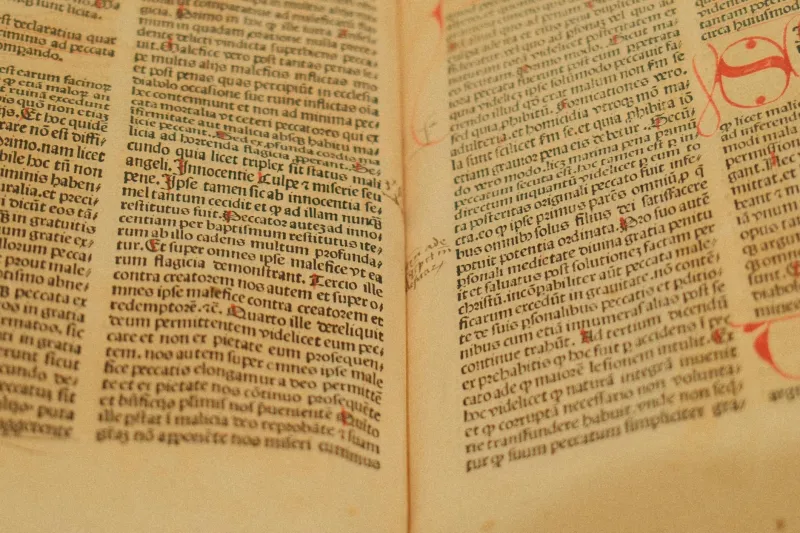
The Vellum Vault
Within the climate-controlled chambers of the British Library, centuries-old manuscripts reveal secrets that extend far beyond their literary content. The Book of Kells, the Lindisfarne Gospels, and countless lesser-known treasures harbour a sophisticated understanding of colour that predates modern chemistry by nearly a millennium—and contemporary beauty brands are taking notice.
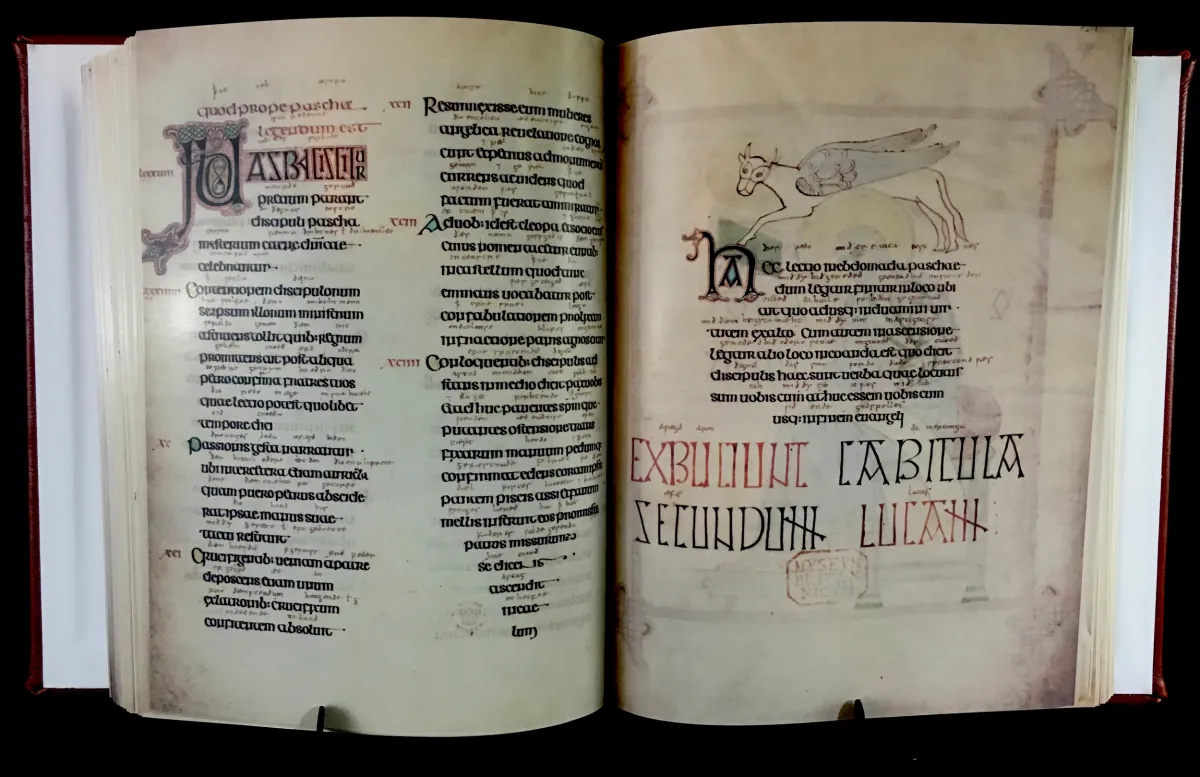 Photo: Lindisfarne Gospels, via images.squarespace-cdn.com
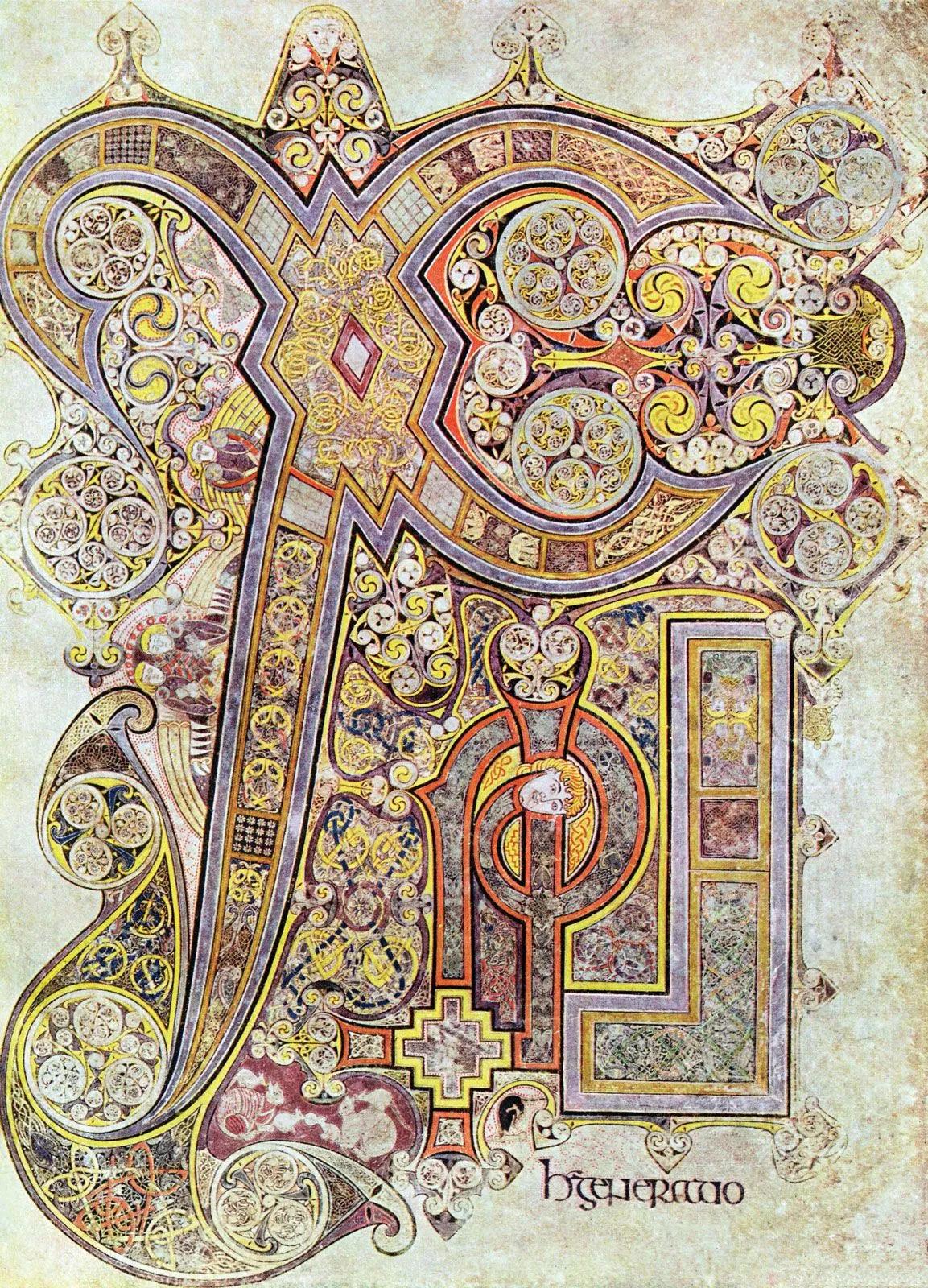 Photo: Book of Kells, via cdn.britannica.com
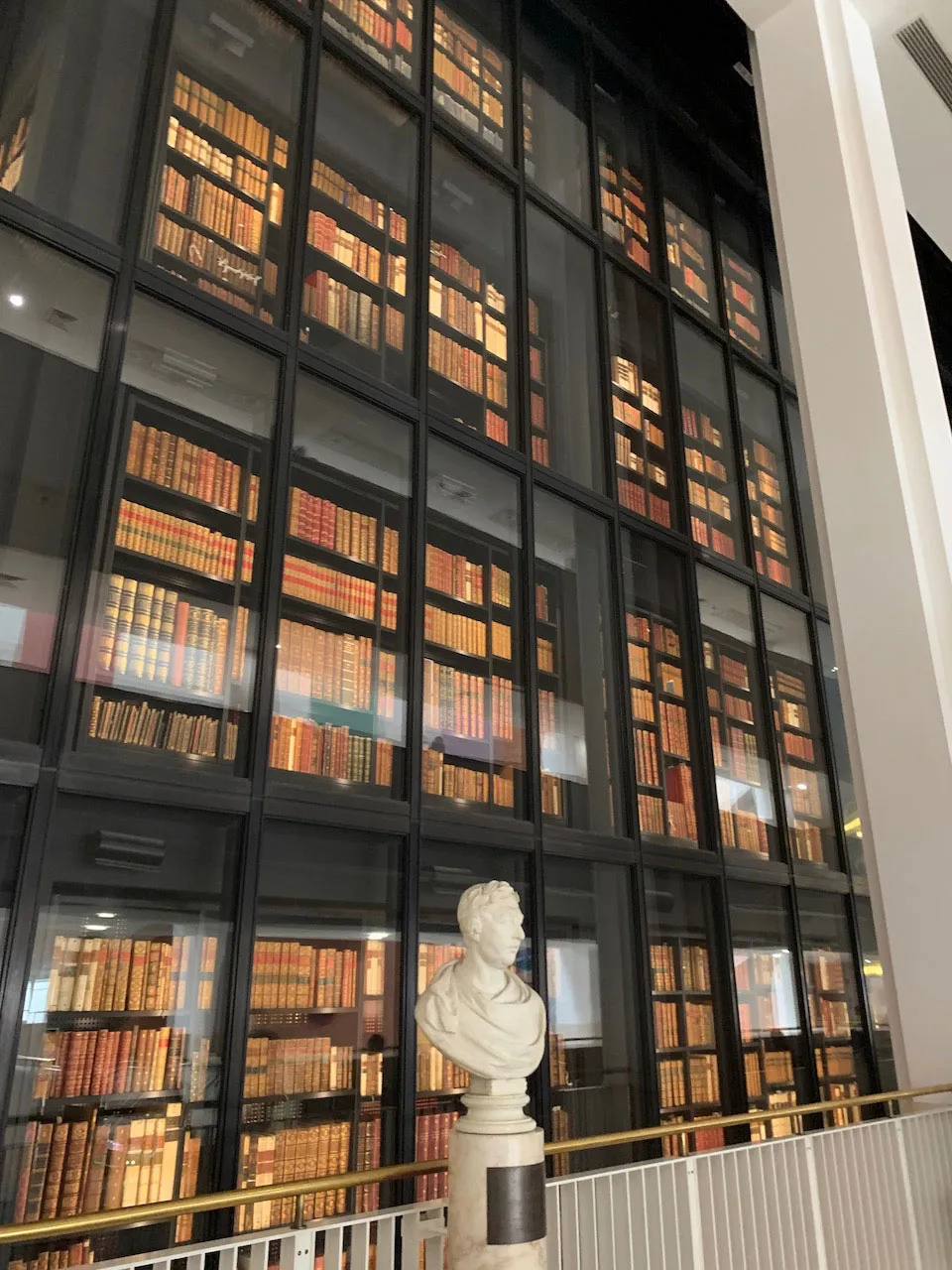 Photo: British Library, via i0.wp.com
These illuminated manuscripts represent Britain's most enduring colour laboratory, where medieval artisans developed techniques for creating and preserving pigments that remain vibrant after eight centuries. Today's cosmetic formulators, seeking alternatives to synthetic colorants, find themselves returning to these ancient sources with newfound appreciation for their technical sophistication.
The Alchemy of Ancient Pigments
Dr Margaret Whitworth, Senior Conservator of Medieval Manuscripts at the Bodleian Library, explains the complexity of historical pigment creation: "Medieval illuminators were essentially chemists, combining mineral compounds, plant extracts, and metallic elements to achieve colours that modern synthetic pigments struggle to replicate. The depth and luminosity of authentic vermillion, created from mercury and sulphur, or the ethereal quality of ultramarine derived from lapis lazuli, possess characteristics that contemporary cosmetics are only beginning to understand."
The process of creating these pigments required extraordinary skill. Vermillion demanded precise temperature control during the sublimation process, whilst the preparation of gold leaf for illumination involved techniques that modern gilding has largely abandoned. These methods produced colours with unique optical properties—the way medieval gold catches light differs markedly from contemporary metallic cosmetics.
Contemporary Interpretation
London-based colour cosmetics brand Scriptorium draws direct inspiration from manuscript illumination, working with conservation scientists to understand historical pigment composition. Founder Isabella Crawford explains: "We're not attempting to recreate medieval formulations exactly—that would be neither practical nor safe for modern cosmetic use. Instead, we're studying the optical properties of historical pigments and developing contemporary formulations that capture their unique characteristics."
The brand's autumn collection, inspired by the Sherborne Missal's extraordinary colour palette, features eyeshadows that recreate the distinctive warmth of medieval gold leaf and the deep, complex blues achieved through ultramarine and indigo combinations. Each shade undergoes spectroscopic analysis to ensure it captures the specific light-reflecting properties of its historical inspiration.
The Science of Medieval Brilliance
Modern analysis reveals why medieval pigments possess such enduring appeal. Professor James Hartwell of the Institute for Conservation notes: "Historical pigments often combined multiple compounds to achieve single colours, creating complex optical effects. Medieval vermillion, for instance, contained trace elements that created subtle colour variations depending on viewing angle—an effect we now recognise as dichroism."
This complexity explains why contemporary attempts to recreate historical colours using single synthetic pigments often fail to capture their original character. The solution lies in understanding the interaction between multiple compounds within historical formulations and translating these relationships into modern cosmetic chemistry.
The Gilding Renaissance
Perhaps nowhere is the influence of illuminated manuscripts more evident than in the revival of sophisticated highlighting techniques. Medieval illuminators developed extraordinary methods for applying gold leaf that created effects ranging from subtle luminosity to dramatic metallic accents.
Beauty brand Aurelius, founded by former museum conservator Sarah Chen, specialises in highlighters inspired by medieval gilding techniques. "Historical illuminators understood that gold application required specific preparation of the underlying surface," Chen explains. "They used gesso grounds and size applications that we've adapted for skin preparation, creating highlighters that interact with facial contours in ways that standard metallic cosmetics cannot achieve."
Regional Variations
Britain's manuscript tradition reveals significant regional variations in colour preference and technique that inform contemporary beauty trends. Scottish manuscripts favour the deep blues and purples achievable through local sources of woad and elderberry, whilst English illumination tends toward the warm golds and reds derived from ochre and cinnabar deposits.
These regional preferences influence contemporary British beauty brands seeking authentic colour stories. Yorkshire-based Illumina draws exclusively from Northern English manuscript traditions, creating eyeshadow palettes inspired by the distinctive colour combinations found in manuscripts from Durham and Lindisfarne.
The Seasonal Manuscript
Medieval illuminators understood seasonal colour variation in ways that contemporary beauty has largely forgotten. Spring manuscripts feature the fresh greens of new copper oxidation and the delicate pinks of early rose madder, whilst autumn illuminations employ the deep crimsons of aged cochineal and the burnished golds of mature leaf application.
This seasonal approach informs contemporary collection development, with brands like Codex creating quarterly releases that follow medieval seasonal colour traditions rather than arbitrary fashion cycles.
The Future of Historical Colour
As contemporary beauty seeks alternatives to synthetic colorants and artificial effects, the wisdom preserved in Britain's illuminated manuscripts offers a sophisticated alternative. These historical sources provide not merely colour inspiration but fundamental understanding of how pigments interact with light, surface preparation, and application technique.
The revival of manuscript-inspired beauty represents more than nostalgic appropriation; it embodies a return to colour sophistication that values complexity over simplicity, depth over surface brilliance, and historical wisdom over contemporary convenience. In the vellum pages of Britain's medieval treasures, the future of colour cosmetics finds its most ancient and enduring inspiration.