Printed Perfection: How Britain's Independent Publishing Revival Is Redefining Beauty's Visual Language
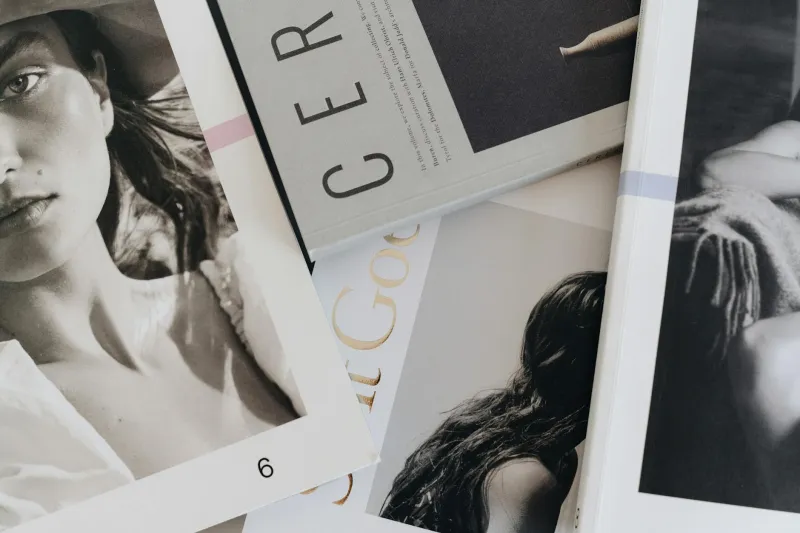
The Paper Revolution
In an age dominated by digital ephemera and algorithmic feeds, an unlikely revolution is unfolding across Britain's creative quarters. From the converted warehouses of Manchester's Northern Quarter to the Georgian terraces of Edinburgh's New Town, a new generation of independent publishers is crafting beauty content that prioritises substance over sensation, depth over dopamine hits.
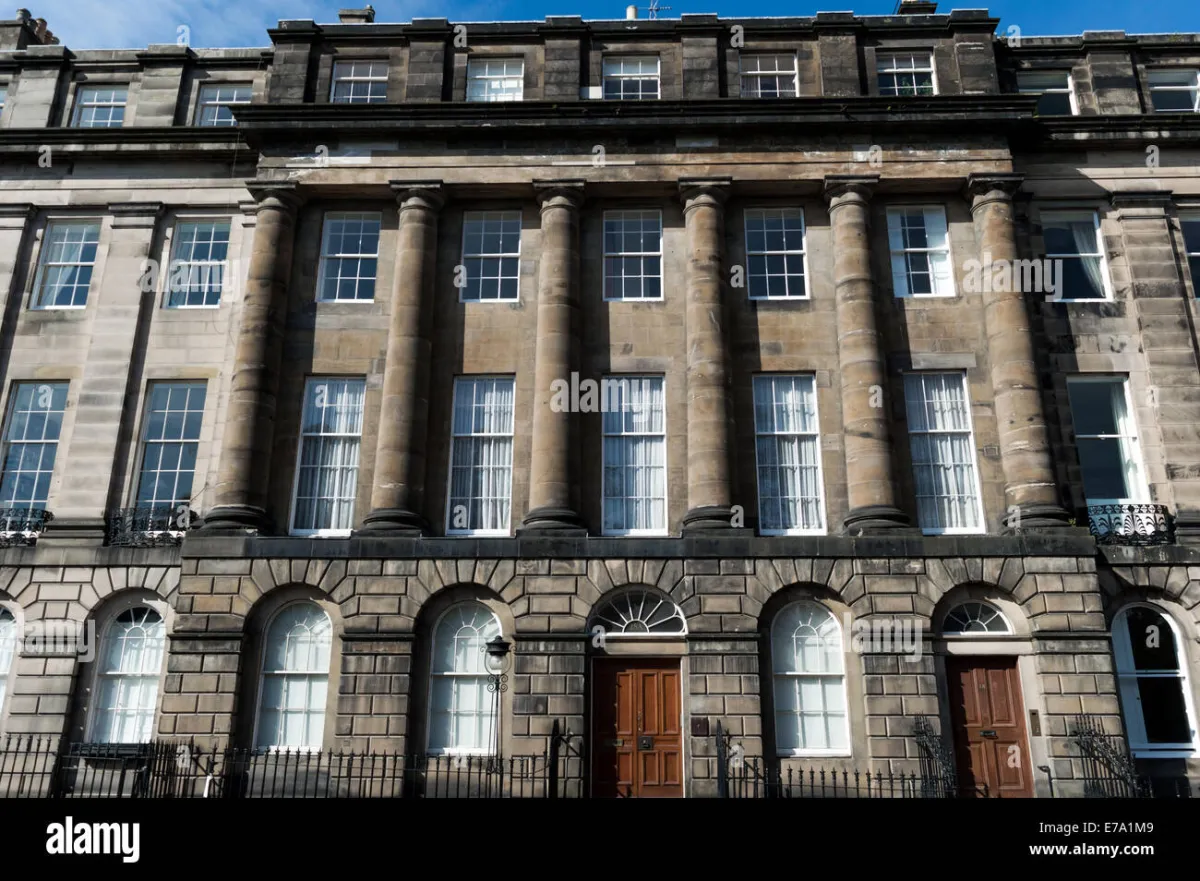 Photo: Edinburgh's New Town, via c8.alamy.com
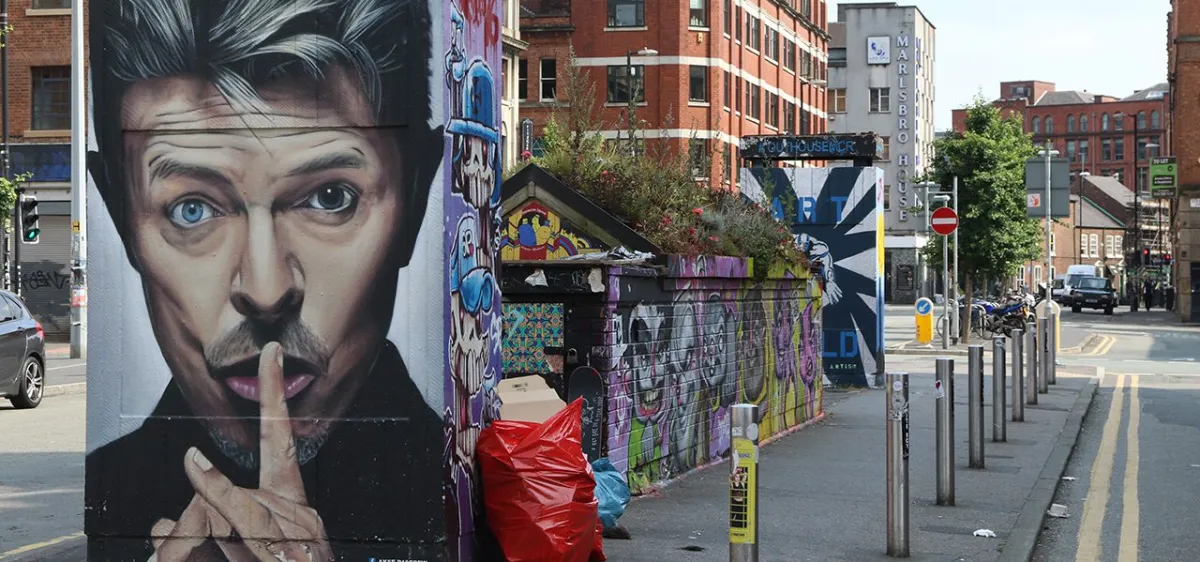 Photo: Manchester's Northern Quarter, via www.creativetourist.com
This renaissance of print culture is doing more than simply reviving dead trees—it's fundamentally reshaping how Britain's most discerning beauty consumers engage with aesthetic content. Where social media promotes the instant and the obvious, these carefully curated publications champion the considered and the contemplative, creating space for beauty discourse that extends far beyond product recommendations and tutorial videos.
The Tactile Aesthetic
What distinguishes Britain's independent beauty publishing from its digital counterparts is not merely the medium but the message. These publications—whether quarterly magazines printed on uncoated stock or limited-edition zines bound with Japanese stitching—treat beauty as a cultural phenomenon worthy of serious consideration.
Sarah Chen, editor of Glasgow-based quarterly 'Patina', explains the philosophical difference: "We're not trying to sell readers anything except the idea that beauty deserves the same intellectual rigour we apply to art, literature, or architecture. When you slow down the consumption process, when you make people physically turn pages and consider imagery that isn't optimised for thumb-scrolling, you create space for genuine aesthetic education."
This commitment to thoughtful consumption has attracted a sophisticated readership that views beauty through a cultural rather than commercial lens. These are consumers who seek to understand the provenance of their aesthetic choices, who appreciate the craft behind formulations as much as their effects.
The Geography of Independent Beauty Publishing
Britain's independent beauty publishing scene has developed distinct regional characteristics that reflect local creative cultures. London's publications tend towards the conceptual and avant-garde, with titles like 'Empirical Beauty' featuring experimental photography and essays on the philosophy of attraction.
Meanwhile, Scotland's independent scene has embraced a more artisanal approach. Edinburgh's 'Highland Apothecary' and Glasgow's 'Northern Light' combine traditional Scottish printing techniques with contemporary beauty discourse, creating publications that feel both timeless and urgently modern.
The North of England has produced perhaps the most politically engaged beauty publishing, with Manchester's 'Industrial Complexion' and Leeds's 'Post-Industrial Beauty' examining how economic and social change influences aesthetic ideals. These publications treat beauty as inseparable from broader cultural movements, creating content that resonates far beyond traditional beauty boundaries.
The Editorial Photography Revolution
Perhaps the most visible impact of this independent publishing renaissance lies in its approach to beauty photography. Freed from the commercial imperatives that govern mainstream beauty media, independent publishers have created space for experimental, artistic approaches to beauty imagery.
These publications champion photographers who treat beauty as fine art subject matter, creating images that prioritise atmosphere over product placement, emotion over information. The result is a visual language that feels distinctly British—understated yet sophisticated, conceptual yet accessible.
This aesthetic influence extends beyond the publications themselves. Beauty brands increasingly seek collaborations with independent publishers, recognising that association with thoughtful, artisanal content elevates their cultural credibility in ways that traditional advertising cannot achieve.
The Zine Culture Renaissance
Perhaps nowhere is the independent publishing revival more evident than in the flourishing zine culture that has emerged in cities like Bristol, Brighton, and Cardiff. These small-run, often handmade publications represent the most experimental edge of beauty publishing, where established rules about content, format, and distribution are constantly challenged.
Zines like Bristol's 'Beauty Manifesto' or Brighton's 'Coastal Complexion' operate with complete editorial freedom, creating content that ranges from personal essays about beauty and identity to experimental product reviews that read more like art criticism than consumer guidance.
This zine culture has proved particularly influential among younger beauty consumers, who appreciate both the authenticity of small-run publishing and the intellectual sophistication of the content. These readers are developing aesthetic sensibilities that prioritise craft, provenance, and cultural resonance over viral trends and influencer recommendations.
The Luxury of Slow Beauty Content
What these independent publications offer their readers is something increasingly rare in contemporary culture: the luxury of slow consumption. In contrast to the endless scroll of digital beauty content, these publications demand attention, consideration, and time.
This slower pace of consumption has profound effects on how readers engage with beauty information. Rather than seeking quick fixes or instant inspiration, readers of independent beauty publications develop more nuanced, personal approaches to aesthetic choices. They become connoisseurs rather than consumers, developing the kind of visual literacy that allows them to appreciate subtlety and sophistication.
The Cultural Impact
The influence of Britain's independent beauty publishing extends far beyond its immediate readership. These publications have begun to shape broader beauty discourse, introducing concepts and vocabularies that influence how beauty is discussed across all media platforms.
Terms like "considered beauty," "aesthetic integrity," and "cultural skincare" have migrated from independent publications into mainstream beauty discourse, reflecting a broader shift towards more thoughtful, culturally engaged approaches to beauty consumption.
The Future of Print Beauty
As this independent publishing renaissance matures, its influence on British beauty culture continues to expand. Major beauty retailers have begun stocking independent publications alongside products, recognising that sophisticated consumers appreciate content that matches the quality of the brands they purchase.
Educational institutions have also taken notice, with art schools and design colleges incorporating independent beauty publications into their curricula as examples of successful cultural publishing.
The Lasting Legacy
Ultimately, Britain's independent beauty publishing renaissance represents more than a nostalgic return to print culture. It embodies a fundamental shift towards more thoughtful, culturally engaged approaches to beauty consumption—a rejection of algorithmic aesthetics in favour of human-curated, intellectually rigorous content.
For Britain's most discerning beauty consumers, these publications offer something that digital platforms cannot: the opportunity to develop genuine aesthetic sophistication through careful, considered engagement with beauty as cultural phenomenon rather than mere commercial category.