Topographical Elegance: The Ordnance Survey Aesthetic Transforming British Colour Cosmetics

The Geography of British Beauty
Within the hallowed halls of Britain's most prestigious makeup studios, an unexpected revolution is quietly unfolding. The language of cartography—those precisely calibrated ochres, sage greens, and weathered browns that have guided British explorers for centuries—has begun to infiltrate the most sophisticated colour cosmetic collections emerging from our shores.
This is not mere aesthetic borrowing, but rather a profound cultural recalibration. Where international beauty conglomerates chase the ephemeral whims of social media algorithms, Britain's most discerning makeup artists are turning to the Ordnance Survey's enduring palette as both inspiration and anchor point for a distinctly national approach to colour cosmetics.
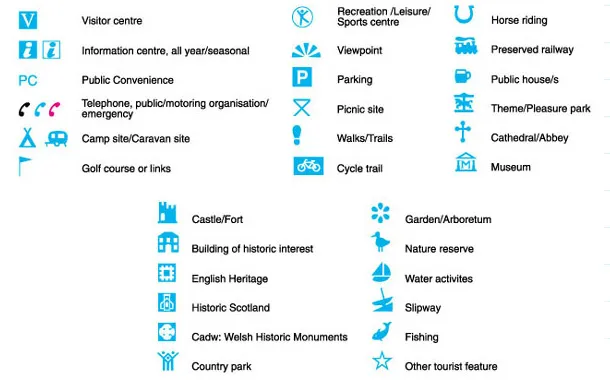 Photo: Ordnance Survey, via www.outdoorgb.com
The Cartographer's Colour Theory
The Ordnance Survey's visual language, refined over more than two centuries, represents perhaps Britain's most sophisticated exercise in functional colour theory. Each hue serves a precise purpose: the gentle blue-grey that denotes water features, the warm brown that indicates contour lines, the muted green that represents woodland. These colours have been tested not merely for aesthetic appeal, but for their ability to communicate essential information with absolute clarity across Britain's varied landscapes and lighting conditions.
It is precisely this marriage of beauty and utility that has captured the imagination of Britain's beauty vanguard. "There's something profoundly honest about OS colours," explains Charlotte Pemberton, creative director at Mayfair's exclusive Pemberton Studios. "They're not trying to seduce or manipulate. They simply are what they need to be, and there's an elegance in that purposefulness that translates beautifully to cosmetics."
 Photo: Charlotte Pemberton, via withjoy.com
Translating Topography to Complexion
The practical application of cartographic principles to makeup artistry requires both technical precision and cultural sensitivity. Britain's leading colour cosmetics houses have begun to interpret OS hues through the lens of British complexions and lifestyle demands.
Consider the recent launch of Hebridean Beauty's "Contour Lines" collection, where traditional bronzing shades have been replaced with the subtle ochres and umbers that define Britain's most cherished walking maps. The result is a contouring palette that enhances rather than transforms, creating definition that appears as natural as the play of light across a Yorkshire dale.
Similarly, Manchester-based indie brand Compass Rose has built its entire colour philosophy around what founder Sarah Chen describes as "navigational beauty"—cosmetics that help women chart their own course rather than following predetermined routes. Their eyeshadow palettes echo the sophisticated blue-greys and sage greens of coastal cartography, creating looks that feel inherently British without resorting to cliché.
The Science of Sophisticated Restraint
What distinguishes this cartographic approach from mere trend-following is its foundation in rigorous colour science. The Ordnance Survey's palette has been refined through decades of testing for optimal visibility and clarity under Britain's notoriously variable lighting conditions—from the harsh glare of a Highland winter to the soft gold of a Cotswolds evening.
This practical heritage translates remarkably well to cosmetics application. The muted sophistication of OS-inspired shades performs beautifully under office fluorescents and candlelit restaurants alike, making them ideal for the modern British woman's varied daily terrain.
Cultural Cartography and Beauty Identity
Perhaps most significantly, this movement represents a rejection of the homogenising forces that have long dominated international beauty. Where global brands promote universal ideals of attractiveness, the cartographic beauty movement celebrates distinctly British sensibilities: understatement over ostentation, functionality over flash, heritage over hype.
This is beauty as cultural identity, where choosing an eyeshadow becomes an act of geographic loyalty. It's a philosophy that resonates particularly strongly with Britain's increasingly sophisticated beauty consumers, who seek products that reflect their values rather than simply their aspirations.
The Future Landscape
As this movement matures, we can expect to see further innovations in how cartographic principles influence British beauty. Early experiments with texture—mimicking the tactile quality of quality map paper—and packaging design that echoes the clean functionality of OS publications suggest a comprehensive aesthetic philosophy rather than a passing trend.
The cartographer's palette represents more than a colour story; it's a manifesto for a more considered, culturally grounded approach to beauty. In an era of algorithmic aesthetics and viral trends, there's something deeply appealing about cosmetics that draw their inspiration from the enduring craft of mapping our nation's most treasured landscapes.
For the discerning British beauty enthusiast, these cartographic collections offer something increasingly rare: the opportunity to participate in a beauty movement that feels authentically, unapologetically British.