Botanical Alchemy: The Victorian Glasshouse Renaissance Transforming British Beauty Formulations
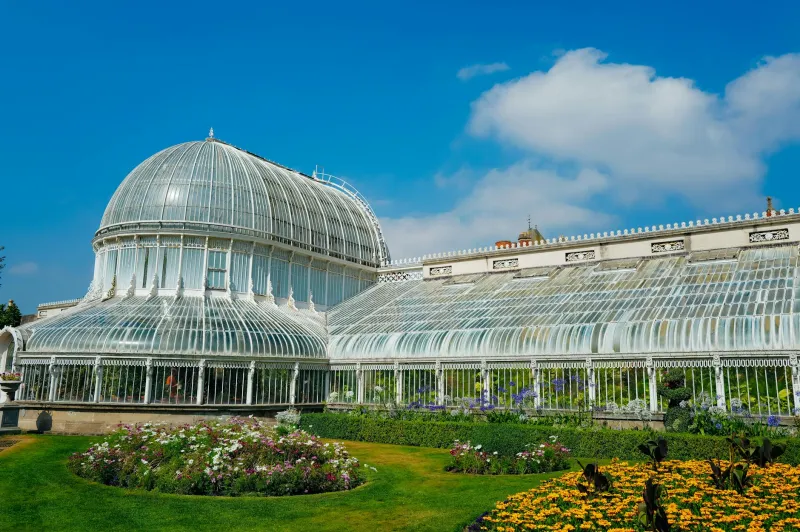
The Return of the Grand Conservatory
Across Britain's most distinguished estates, an extraordinary renaissance is taking place behind panes of Victorian glass. The grand conservatory—once the preserve of 19th-century botanical enthusiasts—has emerged as the unlikely crucible for today's most innovative beauty formulations. From the meticulously controlled environments of Kew Gardens' tropical houses to the restored orangeries of National Trust properties, these architectural marvels are yielding botanical treasures that would have astounded their original Victorian creators.
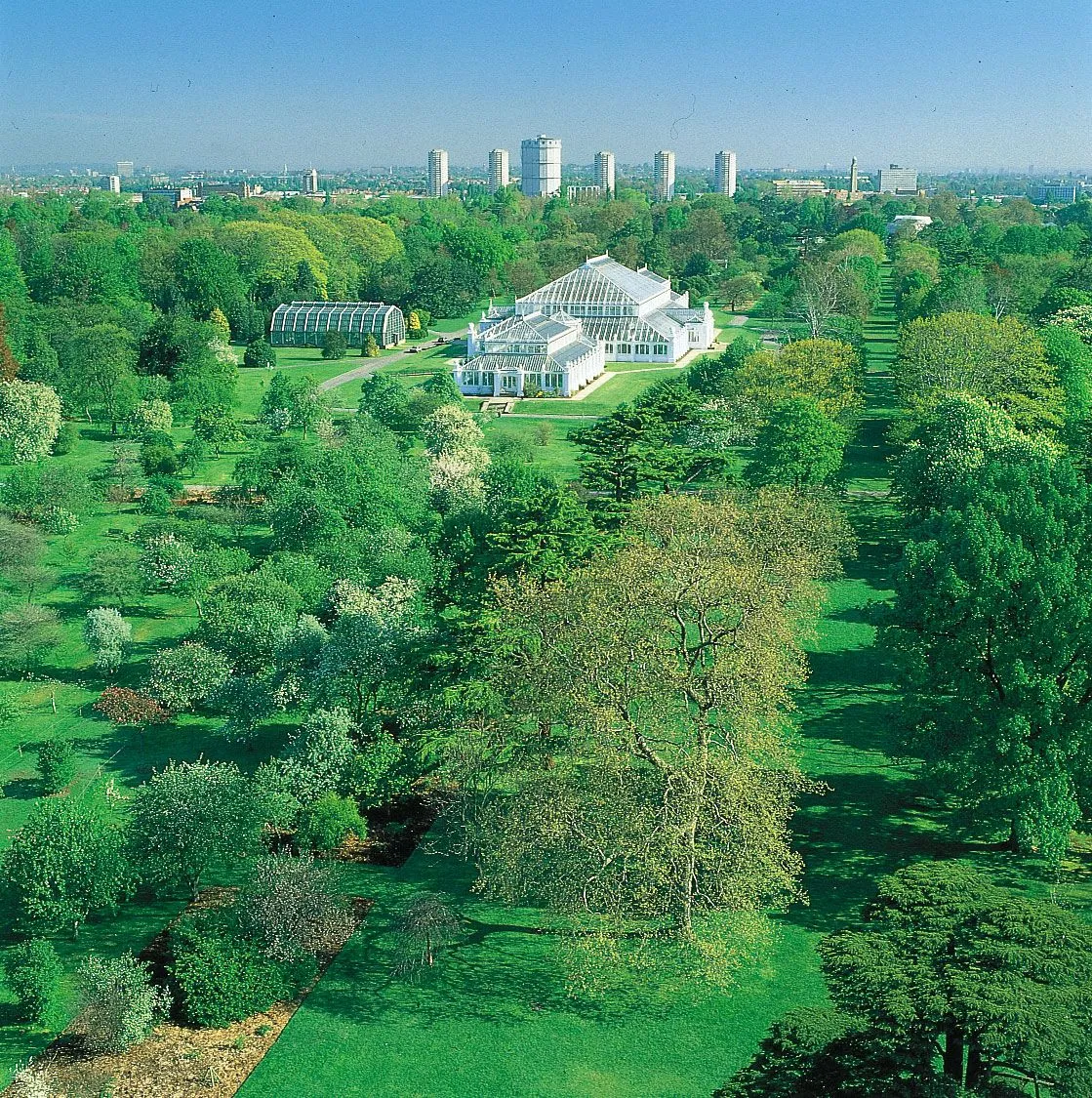 Photo: Kew Gardens, via cdn.britannica.com
This revival extends far beyond mere restoration. Contemporary horticulturalists, working in partnership with Britain's most discerning beauty brands, are cultivating rare specimens under precisely calibrated conditions that would be impossible to replicate in nature. The result is a new category of ingredients that possess concentrated potency levels previously unattainable through conventional cultivation methods.
The Science of Controlled Cultivation
Within these temperature-regulated sanctuaries, botanicals develop under conditions of extraordinary precision. The Eden Project's biomes have demonstrated how controlled atmospheric pressure, humidity levels, and light spectrums can intensify the production of active compounds within plant tissues. This scientific approach to cultivation has attracted the attention of beauty formulators seeking ingredients with unprecedented efficacy levels.
 Photo: Eden Project, via thelifeofspicers.com
Consider the work being undertaken at the Royal Botanic Garden Edinburgh's research facilities, where rare orchid species are cultivated specifically for their peptide-rich extracts. These specimens, grown under carefully monitored stress conditions, produce defensive compounds that translate directly into anti-ageing benefits when incorporated into skincare formulations. The process requires patience—some specimens take up to three years to reach optimal potency—but the results justify the investment.
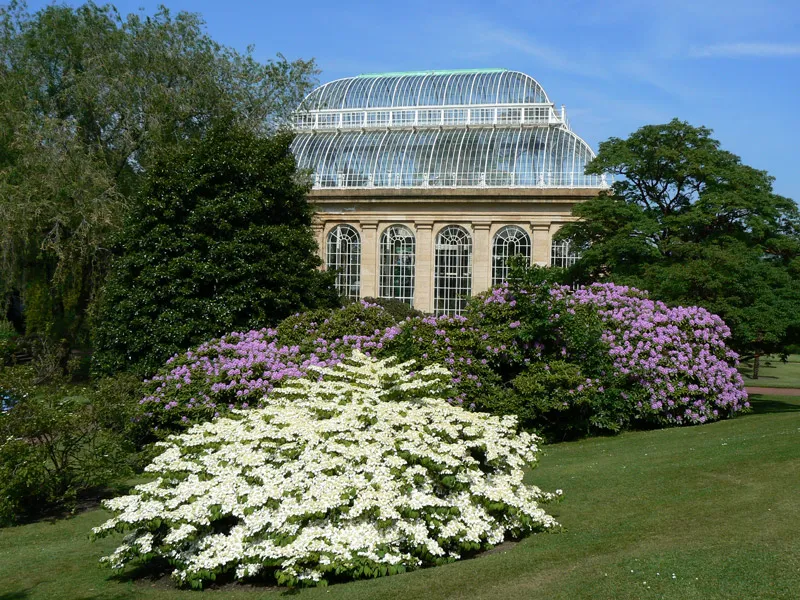 Photo: Royal Botanic Garden Edinburgh, via www.gardenvisit.com
Heritage Brands Embracing Hothouse Innovation
Several established British beauty houses have recognised the potential of this controlled botanical cultivation. Penhaligon's has recently introduced a limited collection featuring ingredients sourced exclusively from restored Victorian conservatories across the Cotswolds. Their approach involves working directly with estate owners to cultivate heritage rose varieties under glass, producing essential oils with complexity profiles that cannot be achieved through field cultivation.
Meanwhile, newer entrants to the market are building their entire brand philosophy around this concept. The London-based house Glasshouse Botanicals has established partnerships with private conservatories across Surrey and Sussex, creating a network of controlled growing environments that supply their entire product range. Their signature serum features extracts from hothouse-grown passionflower, cultivated at precisely 24 degrees Celsius with 75% humidity—conditions that maximise the plant's natural collagen-stimulating properties.
The Aesthetic of Victorian Botanical Obsession
The influence of glasshouse culture extends beyond mere ingredient sourcing into the very presentation of these products. Packaging designs increasingly reference the architectural elements of Victorian conservatories—the geometric patterns of wrought ironwork, the interplay of light through curved glass, the sense of precious specimens carefully preserved.
This aesthetic speaks to a broader cultural moment where consumers seek products that embody both scientific rigour and romantic sensibility. The glasshouse represents the perfect synthesis of these apparently contradictory impulses: it is simultaneously a place of precise scientific control and poetic natural beauty.
Accessing the Glasshouse Revolution
For the discerning consumer, several pathways exist to experience these hothouse-derived formulations. The most exclusive offerings often appear first at independent beauty retailers in areas with strong horticultural heritage—think the specialist shops of Wisley Village or the curated selections found near major botanical gardens.
Many of these brands offer behind-the-scenes experiences at their cultivation facilities, allowing customers to observe the growing process firsthand. These visits, typically arranged through advance booking, provide insight into the meticulous care required to produce ingredients of such exceptional quality.
The Future of Controlled Cultivation
As climate change presents increasing challenges to traditional agriculture, the controlled environment of the glasshouse offers beauty brands a means of ensuring consistent, high-quality ingredient supply. This approach also allows for the cultivation of exotic species that could never survive in Britain's natural climate, opening possibilities for ingredient innovation that extends far beyond traditional European botanicals.
The Victorian conservatory, once a symbol of imperial botanical collecting, has been transformed into a laboratory for sustainable, locally controlled ingredient production. In this reimagining, the romance of the glasshouse serves not merely aesthetic purposes but practical ones—creating the optimal conditions for beauty innovation that honours both scientific precision and botanical heritage.
This marriage of Victorian architectural grandeur with contemporary skincare science represents more than a passing trend. It signals a fundamental shift towards ingredient transparency, cultivation control, and the recognition that the most effective beauty formulations often emerge from the marriage of time-honoured horticultural wisdom and cutting-edge scientific understanding.