Woven Protection: The Scottish Highlands' Influence on Modern Barrier-Repair Science
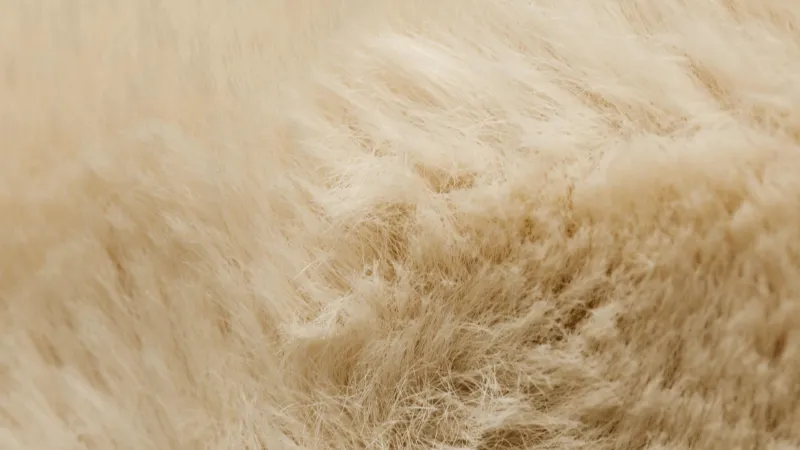
The Textile Foundation of Modern Skincare
In the rolling hills of the Scottish Borders, where sheep have grazed for centuries and cashmere goats produce some of the world's finest fibres, an unexpected beauty revolution is taking shape. The same principles that make Scottish wool legendary for its protective warmth and breathability are now informing a new generation of barrier-repair skincare formulations.
The connection between textile heritage and skincare innovation might seem tenuous at first glance, yet British beauty laboratories are increasingly drawing inspiration from the structural properties of natural fibres. Just as cashmere creates an insulating layer that regulates temperature whilst allowing skin to breathe, modern ceramide-rich moisturisers are designed to form a protective barrier that locks in moisture without suffocating the skin's natural functions.
The Science of Structural Protection
Dr Sarah Whitfield, a materials scientist turned skincare formulator based in Edinburgh, explains the parallels: "When you examine cashmere under a microscope, you see these incredibly fine fibres that create thousands of tiny air pockets. This structure provides insulation whilst maintaining breathability—exactly what we're trying to replicate with advanced lipid matrices in skincare."
This biomimetic approach has led to breakthrough formulations that layer protective compounds much like the interlocking fibres of a fine cashmere jumper. Ceramides, cholesterol, and fatty acids are arranged in precise ratios to mirror the skin's natural barrier function, creating what researchers term 'textile-inspired' moisturising systems.
British Brands Leading the Revolution
Several homegrown brands have embraced this textile-to-skincare philosophy with remarkable results. Edinburgh-based Heather & Moss has developed a night treatment that incorporates lanolin—the natural wool wax that makes sheep's fleece waterproof—alongside synthetic ceramides and peptides. The result is a formula that provides the same protective comfort as wrapping oneself in a cashmere shawl.
Meanwhile, Yorkshire's Pennine Skincare draws explicit inspiration from the region's wool-trading heritage. Their signature barrier cream contains a proprietary blend of lipids arranged in what they call 'fleece formation'—microscopic layers that mimic the overlapping structure of wool fibres to create an impermeable yet breathable protective film.
The Cultural Resonance of Comfort
This marriage of textile tradition and skincare innovation resonates deeply within British beauty culture, where understated luxury and practical sophistication have long been prized above flashy innovation. The idea of skincare that provides the same comforting protection as a beloved cashmere cardigan appeals to women who value substance over spectacle.
"There's something quintessentially British about this approach," observes beauty historian Margaret Thornton. "We've always understood that true luxury lies in things that make you feel protected and comfortable, rather than simply looking expensive. These barrier-repair formulations embody that philosophy perfectly."
Beyond Moisture: The Resilience Factor
The parallels extend beyond simple hydration. Just as Scottish wool maintains its protective properties even in harsh weather conditions, these new-generation barrier creams are formulated to withstand the environmental stresses of modern British life—from central heating to pollution to the unpredictable climate.
Advanced formulations now incorporate adaptogenic ingredients that respond to environmental changes, much like how natural wool fibres expand and contract with humidity levels. This dynamic protection ensures that skin remains comfortable and resilient throughout the day, regardless of external conditions.
The Artisanal Approach to Formulation
Many British brands are applying the same meticulous attention to detail that characterises traditional textile craftsmanship to their skincare development. Small-batch production methods ensure consistency and quality, whilst hand-selected ingredients are sourced from suppliers with generations of expertise—paralleling the relationships between Scottish mills and their trusted wool providers.
This artisanal approach extends to packaging and presentation, with many brands choosing understated, tactile containers that evoke the sensory pleasure of handling fine textiles. The experience of applying these products becomes as satisfying as running one's fingers through cashmere—a moment of daily luxury that speaks to both comfort and quality.
The Future of Protective Beauty
As climate change brings increasingly unpredictable weather patterns to Britain, the appeal of skincare that provides reliable, adaptive protection continues to grow. The textile-inspired approach to barrier repair offers a uniquely British solution to modern skincare challenges—one that honours traditional craftsmanship whilst embracing cutting-edge science.
For discerning consumers who appreciate the heritage and quality associated with British textiles, these barrier-repair innovations represent the perfect convergence of tradition and progress. They offer the promise of skin that feels as protected and comfortable as being wrapped in the finest Scottish cashmere, with the added benefit of genuine scientific advancement in skincare technology.
In a beauty landscape often dominated by fleeting trends and superficial solutions, this return to fundamental principles of protection and comfort feels both refreshingly authentic and thoroughly modern—much like the enduring appeal of a perfectly crafted cashmere coat.