Thermal Sanctuaries: How Britain's Elite Spa Destinations Are Defining Modern Beauty Protocols
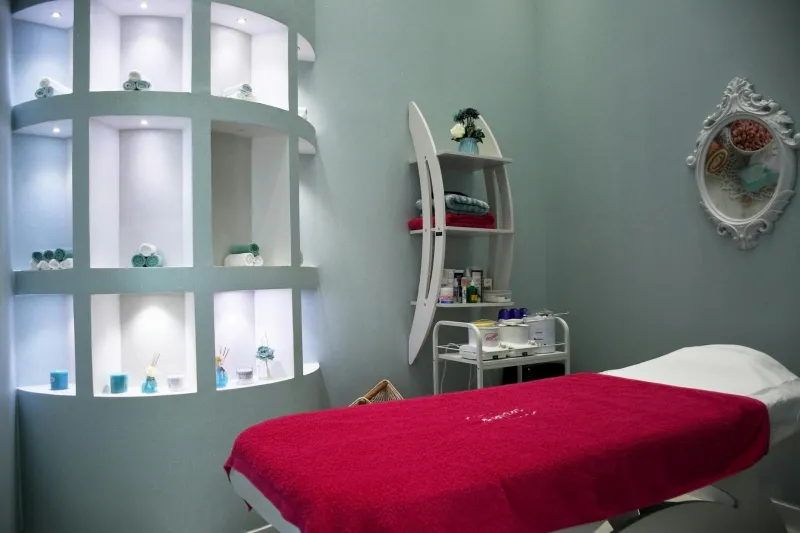
The Renaissance of British Thermal Culture
Beneath the elegant Georgian facades of Bath, within the mist-shrouded valleys of the Scottish Highlands, and behind the discreet entrances of Mayfair's most exclusive wellness clubs, a quiet revolution is unfolding. Britain's spa culture, once dismissed as a continental indulgence, has emerged as the unlikely architect of contemporary beauty philosophy.
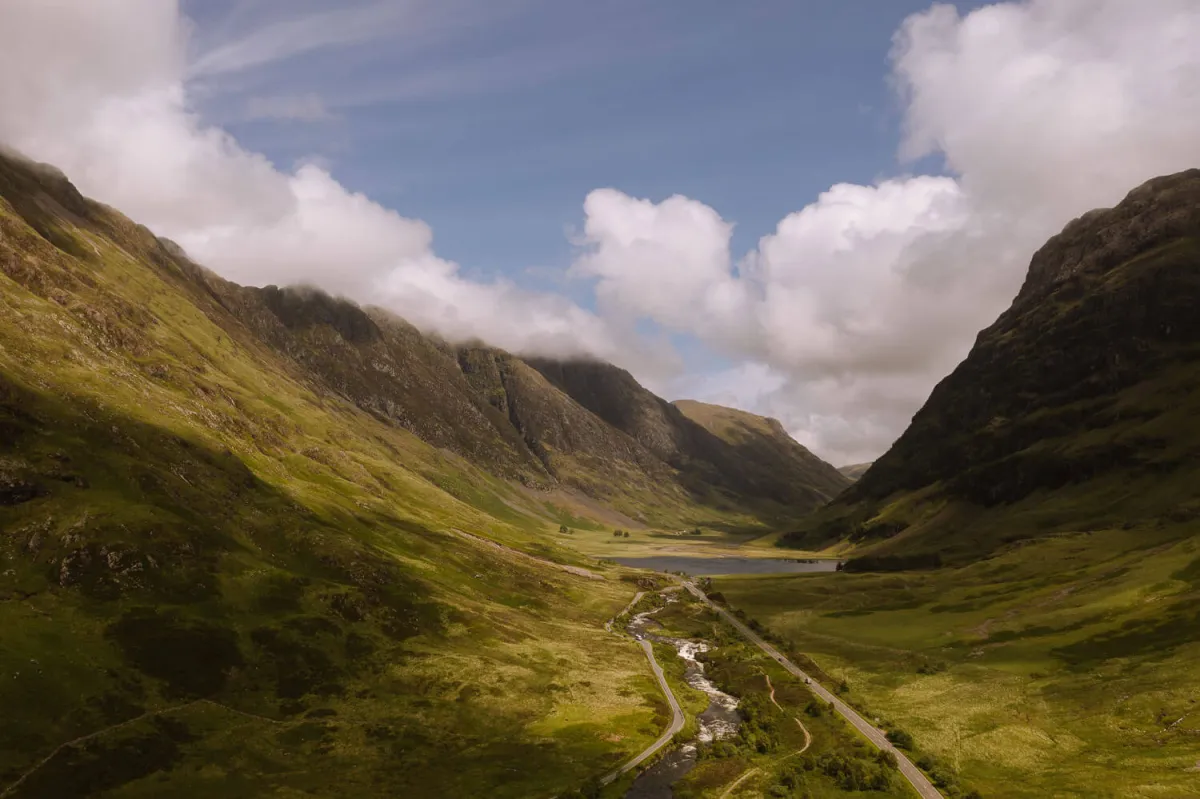 Photo: Scottish Highlands, via anywhereweroam.com
The nation's thermal heritage, stretching back to Roman occupation, is experiencing an unprecedented renaissance. Yet this revival extends far beyond mere relaxation; it represents a fundamental shift in how Britain's most sophisticated women approach skincare and wellness.
Ancient Waters, Modern Science
At Bath's Thermae Bath Spa, where natural thermal springs have bubbled continuously for over 2,000 years, head therapist Sarah Mitchell observes a fascinating evolution in guest expectations. "Our clientele no longer seeks temporary pampering," she explains. "They arrive with detailed knowledge of mineral compositions and specific therapeutic outcomes they wish to achieve."
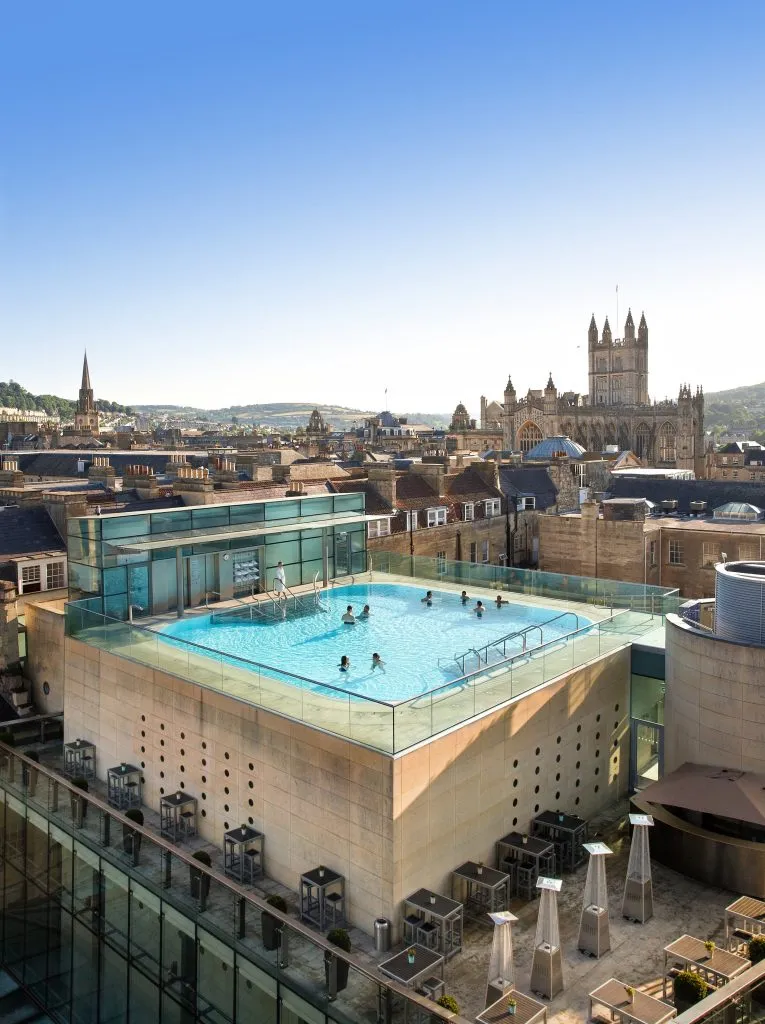 Photo: Thermae Bath Spa, via spavellous.co.uk
The spa's signature treatments now incorporate cutting-edge analysis of the thermal waters' unique mineral profile—rich in sulphur, calcium, and trace elements that mirror the composition of premium skincare formulations. Guests receive personalised mineral maps, detailing how to replicate the benefits of their treatments at home through carefully curated product selections.
This scientific approach has influenced product development across the industry. British brands such as Votary and Dr Barbara Sturm have developed thermal-inspired ranges that capture the essence of these therapeutic waters in concentrated serums and treatment masks.
Highland Alchemy
In the Scottish Highlands, a different narrative emerges. Here, ancient peat bogs and mineral-rich mountain springs provide the foundation for treatments that seem to capture the very essence of the landscape. At the Torridon Resort, guests immerse themselves in Highland peat wraps—treatments that harness centuries of accumulated organic matter.
The resort's wellness director, Dr James MacLeod, explains the appeal: "Our guests understand that true luxury lies not in exotic ingredients shipped from distant continents, but in the profound therapeutic properties found in our own landscape."
This philosophy has translated into a growing appreciation for British-sourced skincare ingredients. Brands like Highland Spring Beauty and Hebridean Seaweed Company have capitalised on this trend, creating products that allow discerning consumers to bring the transformative power of Scotland's natural resources into their daily routines.
Metropolitan Discretion
London's spa scene operates under different principles entirely. In Mayfair's most exclusive wellness clubs, membership is by invitation only, and treatments are designed around the demanding schedules of the capital's elite. These establishments have pioneered the concept of "stealth wellness"—highly effective treatments that deliver visible results without requiring significant time investment.
At one such establishment—its name withheld at the insistence of management—members receive bespoke treatment protocols developed in collaboration with leading dermatologists and nutritionists. The focus is on optimising skin health through targeted interventions that can be seamlessly integrated into busy professional lives.
These metropolitan sanctuaries have influenced the development of high-performance skincare ranges designed for time-pressed consumers. Products like Zelens Z Matrix and Sarah Chapman's Platinum range reflect this ethos, delivering spa-quality results through sophisticated formulations that work efficiently within abbreviated routines.
The Home Sanctuary Movement
Perhaps the most significant development emerging from Britain's spa renaissance is the translation of professional treatments into home rituals. Leading therapists report that their most sophisticated clients now approach skincare with the same methodical precision they apply to other areas of their lives.
This has led to the emergence of what industry insiders term "ritual architecture"—the careful construction of home beauty routines that mirror the therapeutic principles of professional treatments. The approach emphasises quality over quantity, with clients investing in fewer, more effective products that deliver measurable results.
Key to this philosophy is the understanding that true luxury skincare requires patience and consistency. Rather than seeking immediate gratification through aggressive treatments, these women embrace the slow beauty movement, allowing their skin to respond gradually to carefully selected interventions.
The Future of British Beauty
As Britain's spa culture continues to evolve, its influence on broader beauty trends becomes increasingly apparent. The emphasis on provenance, scientific rigour, and long-term skin health reflects a maturing market that values substance over superficial appeal.
This sophisticated approach to beauty represents more than a passing trend; it signals a fundamental shift in how British women conceptualise self-care. By grounding beauty routines in the nation's rich thermal heritage and natural resources, these spa destinations are creating a distinctly British aesthetic philosophy—one that celebrates both tradition and innovation in equal measure.
The message is clear: in an age of global beauty homogenisation, Britain's thermal sanctuaries offer something increasingly rare—authenticity, efficacy, and a profound connection to place.