Textured Perfection: The British Beauty Revolution Drawing from Yorkshire Mills to Scottish Highlands
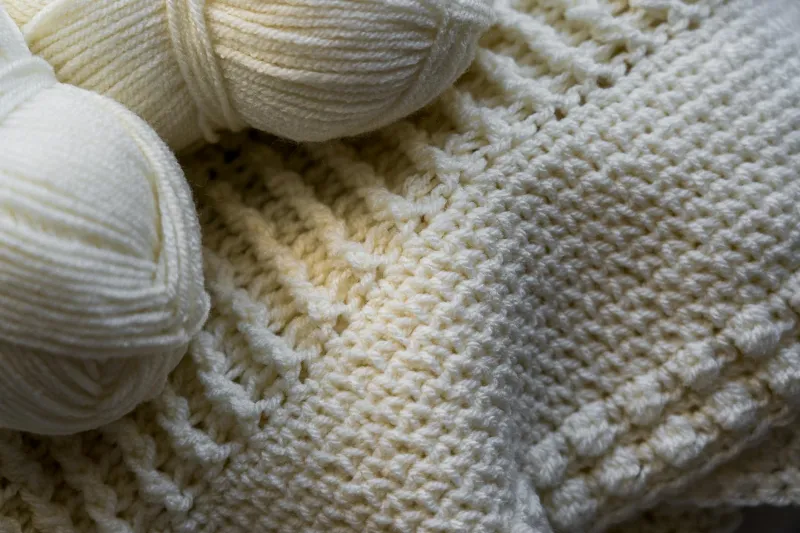
The Fabric of Beauty Innovation
In the rolling hills of Yorkshire, where the Industrial Revolution first transformed raw wool into the world's finest textiles, a different kind of alchemy is taking place. Britain's contemporary beauty laboratories are drawing inspiration from the nation's textile heritage, crafting skincare formulations that promise to deliver the same tactile luxury once reserved for Savile Row suits and Highland cashmere.
This emerging movement represents more than mere marketing metaphor. Leading British formulators are genuinely studying the molecular structure of premium fibres, translating the soft-focus finish of expertly woven fabric into skincare that creates what industry insiders term 'dressed skin' – a complexion that appears naturally perfected, as if veiled in the finest silk.
The Science of Textile-Inspired Formulation
Dr. Helena Marchmont, chief formulator at Edinburgh-based laboratory Caledonian Cosmetics, explains the technical precision behind this textile-beauty convergence: "When we examine cashmere under microscopic analysis, we observe how individual fibres create micro-shadows and light diffusion. We've developed peptide complexes that mimic this optical behaviour on skin's surface."
The breakthrough lies in understanding how premium textiles achieve their characteristic soft-focus effect. Yorkshire's finest mills have perfected techniques that allow light to bounce gently across fabric surfaces, creating depth without harsh definition. Contemporary British skincare brands are now employing similar principles through advanced silica microspheres and light-diffusing polymers.
Brands such as London's Textile Beauty Co. have pioneered formulations incorporating actual wool-derived keratin proteins, sourcing their raw materials from the same Pennine farms that have supplied Britain's textile industry for generations. Their signature 'Cashmere Veil Serum' contains molecular fragments that mirror the protein structure found in premium Scottish wool.
Heritage Meets Innovation
The connection between British textiles and beauty extends beyond mere inspiration. Scotland's luxury textile houses, from Johnstons of Elgin to Lochcarron of Scotland, have begun collaborating directly with skincare laboratories. These partnerships leverage centuries of expertise in fibre processing and finishing techniques.
James Sinclair, creative director at Highlands Beauty Laboratory, describes their approach: "We've studied how Scottish mills achieve that distinctive cashmere hand-feel – the way fabric moves and settles against skin. Our serums incorporate similar weight distribution and texture mapping."
This methodology has produced formulations that genuinely replicate the sensory experience of luxury textiles. Products achieve immediate skin-smoothing effects through carefully calibrated particle sizes that mirror the diameter of premium wool fibres. The result is skincare that doesn't merely promise textile-like results but delivers authentic tactile experiences.
The British Response to Global Beauty Trends
While international beauty markets have embraced the 'glazed donut' and 'glass skin' phenomena, Britain's textile-inspired movement offers a distinctly domestic alternative. Rather than pursuing the high-shine aesthetics popular in Korean and American beauty, British brands are cultivating what might be termed 'tweeded skin' – complexions that appear naturally refined without obvious artifice.
This aesthetic philosophy reflects broader British cultural preferences for understated luxury. Just as Savile Row tailoring achieves elegance through perfect fit rather than flashy details, these new skincare formulations create beauty through subtle enhancement rather than dramatic transformation.
Manchester-based brand Millhouse Skincare exemplifies this approach with their 'Wool Silk Complex', a treatment that promises the visual softness of Yorkshire wool combined with the luminosity of Chinese silk. Their formulation process involves studying historical textile samples from the Victoria and Albert Museum's collection, translating centuries-old weaving techniques into contemporary skincare chemistry.
The Tactile Beauty Experience
Beyond visual effects, these textile-inspired formulations prioritise sensory experience. British consumers, raised on the tactile luxury of quality woolens and fine cottons, expect skincare that delivers comparable sensory satisfaction.
Formulators achieve this through careful attention to product texture and application experience. Creams are engineered to spread with the same effortless glide as silk against skin, while serums replicate the weight and movement of fine cashmere scarves.
London-based Textile Skin Laboratory has developed what they term 'haptic formulation' – skincare designed to engage multiple senses simultaneously. Their products incorporate texture-mapping technology borrowed from textile quality control processes, ensuring consistent sensory delivery across their entire range.
Cultural Resonance and Market Response
This textile-beauty convergence resonates particularly strongly with British consumers who understand quality through tactile experience. The movement taps into deep cultural associations between fine textiles and luxury, translating familiar sensory references into innovative beauty experiences.
Market response has been notably positive among Britain's most discerning beauty consumers. Department stores report strong sales for textile-inspired ranges, particularly among customers who appreciate the cultural sophistication these products represent.
Harrods beauty buyer Sarah Whitfield observes: "Our clientele responds enthusiastically to products that reference British heritage while delivering genuine innovation. These textile-inspired ranges offer both cultural relevance and demonstrable results."
The Future of Fabric-Inspired Beauty
As this movement continues evolving, British beauty brands are exploring ever more sophisticated textile-beauty intersections. Upcoming launches promise formulations inspired by Harris Tweed's complex weave structures and Liberty silk's distinctive printing techniques.
The success of textile-inspired skincare suggests a broader trend towards culturally grounded beauty innovation. Rather than simply importing international trends, British brands are developing distinctly domestic aesthetic philosophies rooted in national heritage and cultural understanding.
This approach offers sophisticated consumers skincare that speaks to their cultural identity while delivering the transformative results modern beauty demands. In combining Britain's textile mastery with contemporary skincare science, these brands have created something genuinely new: beauty products that feel authentically British while meeting international standards of innovation and efficacy.
The result is skincare that doesn't merely promise perfect skin but delivers the tactile luxury of Britain's finest textiles, translated into formulations that make every application feel like wrapping oneself in cashmere.