Tactile Luxury: The Sensory Revolution Transforming British Skincare Rituals
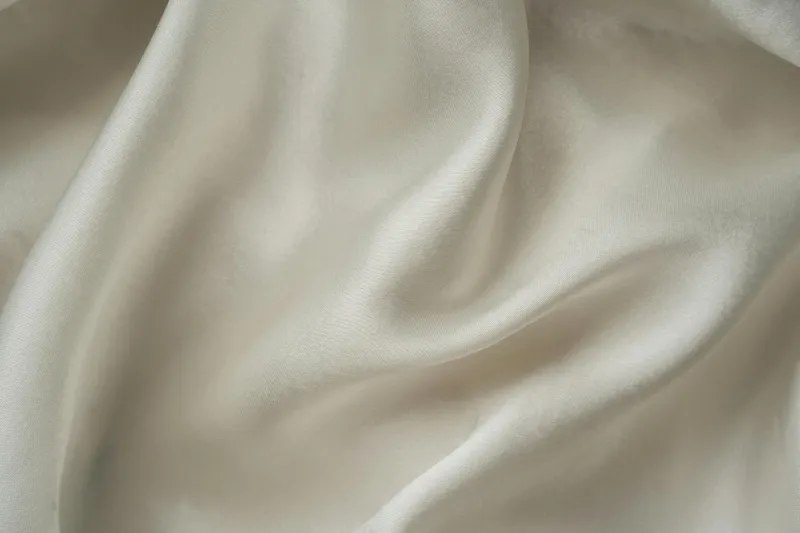
The Touch Revolution in British Beauty
Beyond the scientific efficacy of peptides and the promise of botanical extracts lies a more primal consideration that Britain's most discerning skincare enthusiasts have begun to embrace: the profound importance of texture. This emerging philosophy treats the skin not merely as a canvas for active ingredients, but as a sophisticated sensory organ deserving of the same tactile consideration one might afford to selecting cashmere or silk.
The movement represents a departure from the clinical approach that has dominated British skincare discourse for decades. Instead of focusing solely on molecular weights and clinical studies, these beauty sophisticates are curating their routines around the sensory experience itself, selecting formulations that complement not only their skin's physiological needs but also their psychological relationship with touch and ritual.
Seasonal Texture Mapping
As autumn settles across Britain, the most astute skincare enthusiasts are transitioning from summer's lightweight serums to formulations that mirror the season's textural vocabulary. Rich balms echo the weight of wool coats, while velvet-finish serums provide the same luxurious hand-feel as cashmere scarves. This seasonal texture mapping extends beyond mere indulgence—it represents a sophisticated understanding of how our sensory expectations influence our perception of product efficacy.
Sarah Hartwell, a leading facialist whose Marylebone clinic attracts London's beauty elite, observes this shift with professional fascination. "The clients who truly understand skincare have moved beyond ingredient lists," she explains. "They're selecting products that create a sensory journey, understanding that the ritual of application is as important as the formula itself."
This approach acknowledges that our skin's receptivity to products changes with environmental conditions. As humidity drops and temperatures fall, skin requires not only different active ingredients but also different textural experiences. Heavy creams that might feel suffocating in July become essential comfort in November, providing both physiological and psychological satisfaction.
The Psychology of Skincare Texture
The connection between touch and emotional wellbeing has long been established in psychological research, yet the beauty industry has only recently begun to acknowledge its relevance to skincare formulation. British women leading this textural revolution understand that the act of applying skincare extends far beyond functional necessity—it represents a daily opportunity for sensory mindfulness.
Dr. Catherine Mills, a consultant dermatologist practising in Harley Street, has observed this trend among her most sophisticated patients. "There's an increasing recognition that skincare serves multiple functions," she notes. "Beyond addressing specific skin concerns, these products provide daily moments of tactile pleasure that contribute significantly to overall wellbeing."
This understanding has led to the emergence of what industry insiders term 'textural layering'—the practice of building skincare routines around complementary textures rather than merely compatible ingredients. A routine might begin with a silk-textured essence, progress through a velvet serum, and conclude with a cashmere-soft cream, each layer providing distinct sensory satisfaction whilst building upon the previous application.
Independent Formulators Lead the Way
Britain's independent skincare formulators have emerged as the vanguard of this textural revolution, creating products that prioritise sensory experience alongside scientific efficacy. These artisanal brands, often founded by former cosmetic chemists seeking creative freedom, understand that sophisticated consumers desire products that engage multiple senses.
James Thornton, founder of a boutique skincare laboratory in the Cotswolds, has built his reputation on this philosophy. "We're seeing clients who can articulate exactly how they want a product to feel on their skin," he explains. "They'll request a serum with the weight of silk or a moisturiser that provides the comfort of cashmere. These aren't frivolous requests—they represent a sophisticated understanding of how texture influences both absorption and ritual satisfaction."
This bespoke approach to texture has created a new category of premium skincare, where formulations are crafted to provide specific tactile experiences. Oils are blended to provide silk-like slip, serums are formulated for velvet-smooth application, and creams are designed to deliver the luxurious weight of fine fabrics.
The Absorption Perception Phenomenon
Emerging research suggests that our perception of how well a product absorbs is significantly influenced by its initial texture and application experience. Products that provide immediate tactile pleasure are perceived as more effective, regardless of their actual ingredient profile. This phenomenon, observed by British facialists and cosmetic chemists alike, validates the approach taken by these texture-conscious consumers.
The implication extends beyond mere perception—when we enjoy the sensory experience of applying a product, we're more likely to use it consistently and with greater attention to technique. This enhanced application ritual can significantly improve actual product efficacy, creating a positive feedback loop between sensory pleasure and skincare results.
Crafting the Perfect Textural Wardrobe
The most sophisticated practitioners of textural skincare curation approach their routines with the same consideration they might afford to building a seasonal wardrobe. Summer formulations prioritise lightness and quick absorption, mirroring the preference for linen and cotton. Autumn brings richer textures that echo wool and cashmere, whilst winter demands the luxurious weight of velvet and silk-textured treatments.
This seasonal approach requires a deeper understanding of both skin physiology and sensory psychology. The goal extends beyond addressing changing environmental conditions to creating daily rituals that provide consistent sensory satisfaction throughout the year.
The Future of Sensory Skincare
As this movement matures, we can expect to see increased collaboration between cosmetic chemists, textile designers, and sensory researchers. The future of premium British skincare lies not merely in advanced active ingredients but in formulations that provide multi-sensory experiences worthy of the most discerning tastes.
This evolution represents a return to beauty's artisanal roots whilst embracing contemporary understanding of psychology and sensory science. For Britain's most sophisticated skincare enthusiasts, the question is no longer simply what a product does, but how it feels—and how that feeling enhances the daily ritual of self-care.