Stage Secrets: How Britain's Theatrical Traditions Are Revolutionising Contemporary Beauty
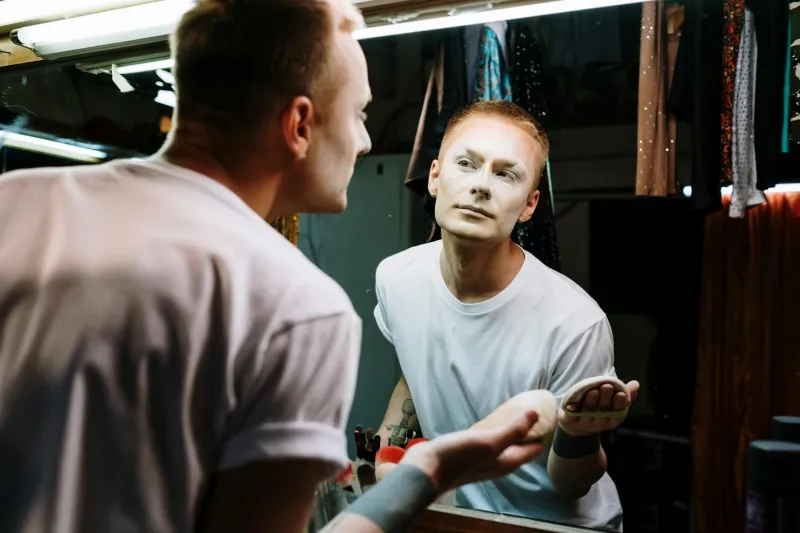
The Theatrical Foundation
Britain's theatrical heritage extends far beyond the gilded prosceniums of the West End and the weathered stones of Stratford-upon-Avon. Within the cramped dressing rooms and bustling backstage corridors of our most revered institutions lies a treasure trove of beauty wisdom, accumulated over centuries of performance under the most demanding conditions.
The makeup departments of establishments such as the Royal National Theatre and the Royal Shakespeare Company have long served as laboratories of innovation, where products must withstand scorching stage lights, perspiration, and the rigorous demands of eight shows per week. These conditions have fostered a culture of precision and durability that contemporary beauty enthusiasts are increasingly seeking to emulate.
The Science of Stage-Worthy Skin
Theatrical makeup artists have mastered the art of creating flawless complexions that photograph beautifully under variable lighting conditions—a skill increasingly relevant in our image-conscious digital age. The foundation techniques developed in British theatre dressing rooms prioritise strategic coverage rather than blanket application, a philosophy that aligns perfectly with the modern preference for natural-looking skin.
The theatrical approach begins with meticulous colour correction, employing complementary hues to neutralise specific concerns before applying base makeup. Orange-toned concealers to counteract blue-tinged under-eye circles, lavender primers to brighten sallow complexions, and green-based products to minimise redness—these professional techniques have migrated from stage to street with remarkable success.
Professional theatrical makeup artists favour cream-based products for their blendability and longevity, layering translucent powders strategically to set areas prone to movement whilst maintaining skin's natural luminosity elsewhere. This selective approach to powder application prevents the cakey, mask-like finish that can occur with heavy-handed technique.
Mastering the Art of Theatrical Highlighting
Perhaps no theatrical technique has influenced contemporary beauty more profoundly than strategic highlighting. Stage makeup artists have long understood that effective illumination requires precision rather than abundance, targeting specific facial planes to create dimension under harsh lighting conditions.
The theatrical highlighting method focuses on the bridge of the nose, the centre of the forehead, the tops of cheekbones, and the cupid's bow—areas that naturally catch light. However, the professional approach differs significantly from contemporary highlighting trends in its restraint and strategic placement. Rather than creating obvious shimmer, theatrical highlighting aims to enhance the face's natural architecture subtly.
This technique translates beautifully to everyday wear, particularly for photography and video calls, where strategic light reflection can create a more polished, professional appearance without obvious makeup application.
The Longevity Lessons
British theatre's demanding performance schedules have necessitated the development of setting techniques that ensure makeup remains pristine throughout lengthy productions. These methods have particular relevance for the modern woman navigating long working days and social commitments.
Theatrical setting sprays, originally developed to lock makeup in place during sweaty, emotional performances, have become essential tools for achieving all-day wear. The professional application technique involves misting the face in an 'X' and 'T' pattern, allowing each layer to dry completely before applying subsequent coats.
Additionally, the theatrical practice of 'baking'—applying generous amounts of translucent powder to specific areas and allowing it to set for several minutes before dusting away excess—has proven invaluable for creating crease-resistant under-eye areas and long-wearing base makeup.
Colour Theory in Practice
British theatre's rich tradition of character makeup has produced sophisticated understanding of colour theory that extends well beyond basic colour correction. Theatrical makeup artists manipulate undertones to create specific moods and character impressions—knowledge that can be applied to enhance personal features and complement individual colouring.
The theatrical approach to lip colour, for instance, considers not only the wearer's natural colouring but also the intended impression and lighting conditions. Cooler-toned reds create sophistication and authority, whilst warmer corals suggest approachability and vitality. This nuanced understanding of colour psychology informs more thoughtful beauty choices.
Tools of the Trade
Professional theatrical makeup kits contain tools designed for precision and efficiency—qualities that enhance everyday beauty routines. Dense, flat-topped brushes for seamless foundation application, small detail brushes for precise concealer work, and stippling sponges for natural-looking texture have all found places in sophisticated personal makeup collections.
The theatrical preference for multipurpose products also offers practical benefits for daily routines. Cream blushes that double as lip colour, eyeshadows that work as subtle highlighters, and versatile pencils suitable for eyes, lips, and brows streamline the beauty process whilst maintaining professional results.
The Modern Application
Incorporating theatrical techniques into daily beauty routines requires adaptation rather than direct translation. The key lies in understanding the principles behind professional methods and scaling them appropriately for everyday wear.
Begin with proper skin preparation, using primer strategically on areas prone to makeup breakdown. Apply foundation in thin layers, building coverage gradually and focusing on areas that require attention rather than coating the entire face uniformly. Set strategically with powder, concentrating on the T-zone and under-eye area whilst leaving the perimeter of the face natural.
The theatrical influence on contemporary British beauty represents more than mere technique adoption; it reflects a sophisticated appreciation for craftsmanship, durability, and the subtle art of enhancement. As we continue to navigate an increasingly visual world, these time-tested professional methods offer invaluable tools for achieving polished, confident presentation that withstands scrutiny under any lighting condition.