The Sophistication Threshold: Redefining Beauty Excellence Beyond the Fifth Decade
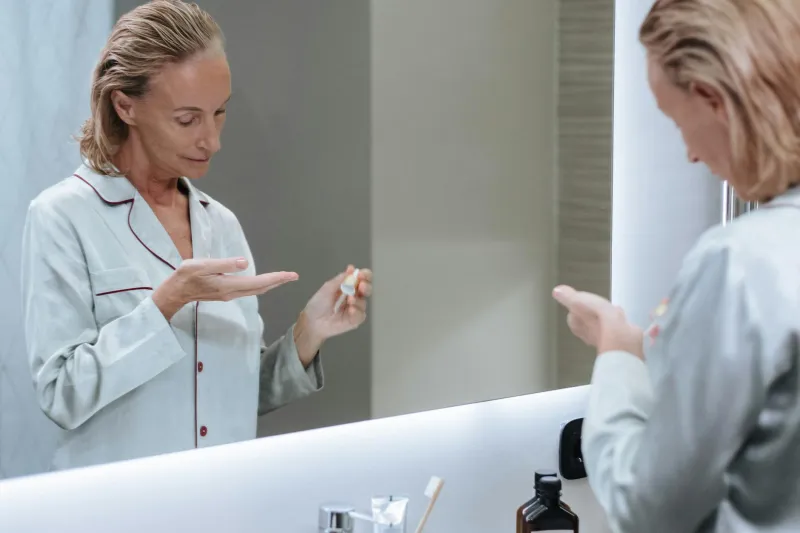
The Liberation of Maturity
A profound transformation is occurring within Britain's beauty landscape, led by women who have reached what might be termed the "sophistication threshold"—that pivotal moment when conventional beauty narratives no longer serve their evolved sense of self. This movement, driven by women in their fifth decade and beyond, represents a conscious rejection of the anti-ageing industry's limiting paradigms in favour of something far more nuanced and personally authentic.
The shift extends beyond mere product preferences to encompass an entirely different philosophy of beauty—one that celebrates experience, wisdom, and the confidence that comes with truly knowing oneself.
Philosophical Foundations
Lady Arabella Huntington, a former magazine editor who transformed her beauty routine at fifty-five, articulates the movement's core principle: "I realised I had spent decades trying to preserve something I'd already outgrown. The revelation came when I understood that my face at fifty-five tells a story I'm proud of—why would I want to erase that narrative?"
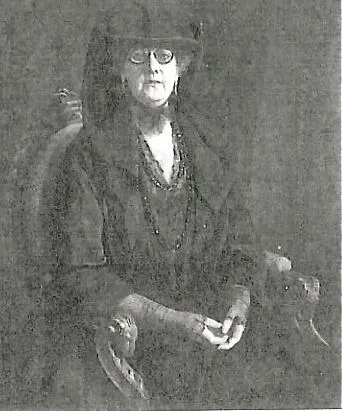 Photo: Lady Arabella Huntington, via alchetron.com
This perspective has gained traction among Britain's most influential women, from boardroom executives to creative professionals, who have discovered that conventional beauty advice fails to address their sophisticated requirements. Rather than seeking to turn back time, they pursue enhancement, refinement, and the kind of polished elegance that can only be achieved through experience.
The movement's adherents share certain characteristics: they possess substantial purchasing power, value quality over novelty, and approach beauty decisions with the same analytical rigour they apply to other significant investments. Most importantly, they refuse to be marginalised by an industry that has traditionally treated mature women as an afterthought.
The Product Revolution
This demographic shift has prompted innovative responses from both established and emerging beauty brands. Augustinus Bader, whose products have gained a cult following among sophisticated British women, explicitly markets to this audience with formulations designed to support rather than "correct" mature skin.
Dr Barbara Sturm has taken a similar approach, developing products that work with the natural changes that occur in mature skin rather than attempting to reverse them. Her "Glow Drops" and "Super Anti-Aging Serum" are formulated to enhance the skin's natural luminosity rather than masking its characteristics.
Perhaps most significantly, British brands like Zelens and Sarah Chapman have built their entire philosophies around the concept of "skin optimisation" rather than anti-ageing. This approach recognises that mature skin has different requirements—it may be less oily but more sensitive, less prone to breakouts but more susceptible to dehydration.
Makeup Minimalism
The makeup preferences of this sophisticated demographic reflect their evolved relationship with beauty. Rather than attempting to recreate the looks of their younger selves, they have developed what might be termed "strategic enhancement"—the art of using makeup to refine and polish rather than transform.
Mary Greenwell, the legendary makeup artist whose clients include many of Britain's most stylish mature women, explains: "The goal is never to make someone look younger—it's to make them look like the most polished version of themselves."
 Photo: Mary Greenwell, via mediaslide-europe.storage.googleapis.com
This philosophy manifests in several key trends: the abandonment of heavy foundation in favour of strategic concealing and highlighting; the preference for cream formulations that blend seamlessly with mature skin; and the embrace of sophisticated colour palettes that complement rather than compete with natural colouring.
Tom Ford's makeup range has gained particular favour among this demographic, offering intensely pigmented products that deliver impact without requiring heavy application. Similarly, Chantecaille's emphasis on botanical ingredients and luxurious textures appeals to women who view makeup as an extension of their skincare routine.
The Facial Renaissance
Perhaps nowhere is this beauty evolution more evident than in the realm of professional treatments. London's most sought-after facialists report a fundamental shift in client expectations, with mature women seeking practitioners who understand the unique requirements of sophisticated skin.
Vaishaly Patel, whose Marylebone clinic attracts a clientele of discerning women, has developed treatment protocols specifically designed for this demographic. "These clients don't want dramatic transformation," she explains. "They want optimisation—treatments that enhance their natural beauty while addressing specific concerns with precision and subtlety."
 Photo: Vaishaly Patel, via media.timeout.com
This approach has influenced the development of new treatment modalities that work with rather than against the natural ageing process. Radio frequency treatments, LED therapy, and micro-current procedures offer subtle enhancement without the dramatic downtime associated with more invasive interventions.
Cultural Influence
The impact of this movement extends beyond individual beauty routines to influence broader cultural narratives around ageing and femininity. British media has begun to reflect this shift, with magazines like Harper's Bazaar and Vogue featuring cover models in their fifties and sixties, celebrating rather than disguising their maturity.
This cultural change has been accelerated by influential figures like Tilda Swinton, Helen Mirren, and Charlotte Rampling, who have consistently rejected conventional beauty expectations in favour of their own distinctive aesthetic choices. Their influence has helped establish a new paradigm where sophistication and authenticity are valued over youth and conformity.
The Economics of Sophistication
The commercial implications of this demographic shift are substantial. Women over fifty control a significant portion of British household wealth and are increasingly willing to invest in products and services that align with their evolved beauty philosophy.
This has prompted luxury beauty retailers to reconsider their approach to this market segment. Selfridges, for example, has expanded its "ageless beauty" concept, featuring products and services specifically curated for sophisticated consumers who reject conventional anti-ageing narratives.
Looking Forward
The sophistication threshold movement represents more than a trend; it signals a fundamental shift in how British women conceptualise beauty and ageing. By rejecting the limiting narratives of the anti-ageing industry, these women are creating space for a more nuanced and personally authentic approach to beauty.
This evolution benefits not only the women who embrace it but the broader beauty industry, which is discovering that sophisticated consumers demand—and are willing to pay for—products and services that respect their intelligence and celebrate their experience.
The message is clear: the future of beauty lies not in the impossible pursuit of youth, but in the sophisticated celebration of who we are at every stage of life.