Screen Complexion: How British Television's Visual Language Is Rewriting Skincare Aspirations
The New Beauty Standard
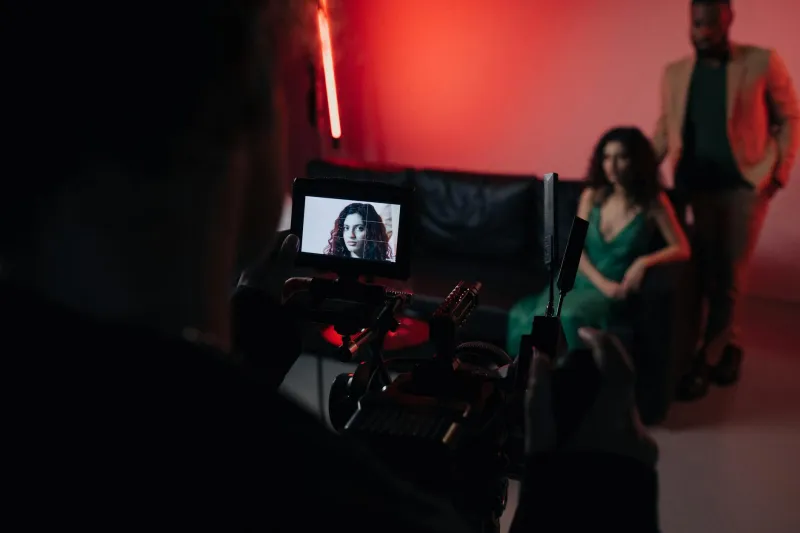
British television drama has evolved into something approaching visual poetry, with skin quality serving as a crucial component of character development and narrative atmosphere. The porcelain luminosity of period drama heroines and the carefully crafted 'natural' glow of contemporary thriller protagonists represent hours of sophisticated makeup artistry—techniques that viewers increasingly seek to replicate in their daily routines.
"Television skin has to read as perfect from multiple angles under various lighting conditions whilst appearing completely natural," explains Susie Bancroft, makeup designer whose credits include The Crown and Call the Midwife. "This requires a level of skin preparation and product application that goes far beyond traditional beauty counter advice."
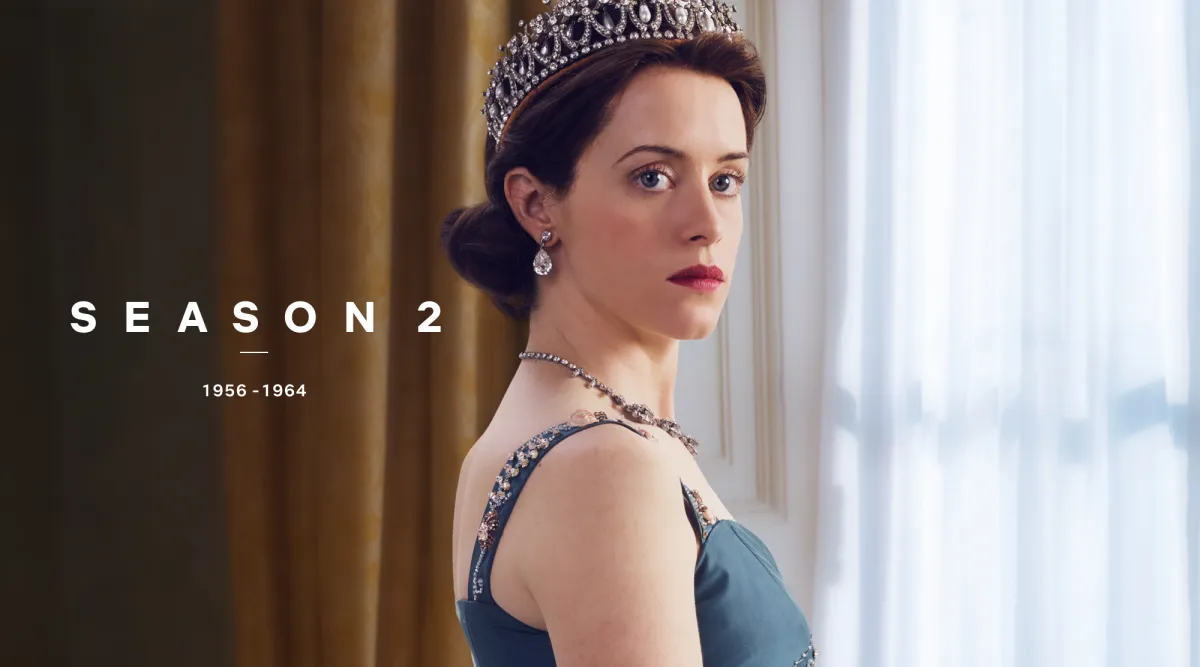 Photo: The Crown, via assets.nflxext.com
The result is a new aesthetic standard that emphasises skin quality over coverage, luminosity over opacity, and natural radiance over obvious artifice—principles that are fundamentally reshaping British skincare consumption patterns.
The Technical Translation
Creating television-ready skin requires sophisticated understanding of how different products perform under studio lighting, HD cameras, and extended filming schedules. Makeup artists working on major British productions have developed techniques that prioritise skin health and natural enhancement over traditional coverage-based approaches.
"We're essentially creating optical illusions," notes Rebecca Cole, head makeup artist on Killing Eve and Bodyguard. "The skin needs to appear flawless whilst looking like the person isn't wearing any makeup at all. This requires products and techniques that most consumers have never encountered."
These techniques often involve layering multiple lightweight products rather than relying on single heavy-coverage foundations, using colour-correcting strategies that work with natural skin tones rather than against them, and employing highlighting and contouring so subtle it appears to be natural bone structure.
The Period Drama Effect
British period dramas have created particular skincare aspirations through their interpretation of historical beauty standards for contemporary audiences. The dewy, porcelain complexions seen in productions like Sanditon and Poldark represent carefully constructed modern interpretations of period-appropriate beauty rather than historically accurate recreations.
"We're not trying to replicate 18th-century skin," clarifies makeup designer Linda Haysman, whose work on Outlander and Victoria has influenced countless beauty tutorials. "We're creating what contemporary audiences want to believe 18th-century skin looked like—which means modern skincare techniques disguised as natural perfection."
This approach has popularised specific skincare ingredients and routines. The glass-skin trend that dominated K-beauty has found British expression through period drama aesthetics, with viewers seeking products that recreate the luminous, poreless complexions of their favourite period heroines.
The Contemporary Glow
Modern British dramas like Succession and Industry have established different but equally influential skincare aesthetics. These productions emphasise what makeup artists term 'expensive natural'—skin that appears effortlessly perfect but clearly benefits from significant investment in professional care.
"Contemporary drama skin needs to suggest wealth and self-care without appearing artificial," explains makeup artist Tom Beaumont, whose work on Sherlock and Luther has defined the look of modern British television. "This means creating the appearance of naturally perfect skin through extremely sophisticated product application."
This aesthetic has driven demand for high-end skincare products that provide subtle enhancement rather than dramatic transformation. Viewers want to achieve the understated radiance they see on screen—a look that suggests genetic luck and expensive dermatological care rather than obvious makeup application.
The Product Pipeline
Makeup artists working on major British productions often serve as unofficial product testers for emerging skincare and makeup innovations. Their requirements for products that perform under extreme conditions whilst appearing natural have influenced product development across multiple beauty categories.
"We need products that last twelve-hour filming days, look perfect under harsh lighting, and can be touched up quickly between takes," notes Sarah Weatherburn, makeup designer for Peaky Blinders and Line of Duty. "These requirements have pushed us towards skincare-makeup hybrids that didn't exist ten years ago."
Many products now marketed to consumers were originally developed for or refined through use in television production. The emphasis on long-wearing, natural-looking formulations reflects the technical demands of HD television production.
The Viewer Response
Social media analysis reveals that British television drama significantly influences skincare purchasing decisions. Searches for specific products and techniques spike following high-profile episodes, with viewers seeking to recreate the skin aesthetics of their favourite characters.
"We see direct correlation between major drama broadcasts and skincare sales," observes retail analyst James Morrison. "Viewers aren't just inspired by the fashion choices—they want the entire aesthetic package, and that starts with skin quality."
This influence extends beyond immediate product purchases to shape longer-term skincare philosophies. The emphasis on skin quality over coverage in British television drama has contributed to the broader cultural shift towards skincare investment and makeup minimalism.
The Professional Influence
Makeup artists from British television productions increasingly offer masterclasses and consultations to consumers seeking to achieve screen-quality skin in their daily lives. These sessions often focus on skincare preparation techniques and product application methods rather than traditional makeup tutorials.
"Television techniques are perfectly applicable to real life," explains celebrity makeup artist Hannah Martin, whose television work includes Downton Abbey and The English. "The principles of skin preparation, strategic highlighting, and natural enhancement work just as well for boardroom presentations as they do for period drama ballroom scenes."
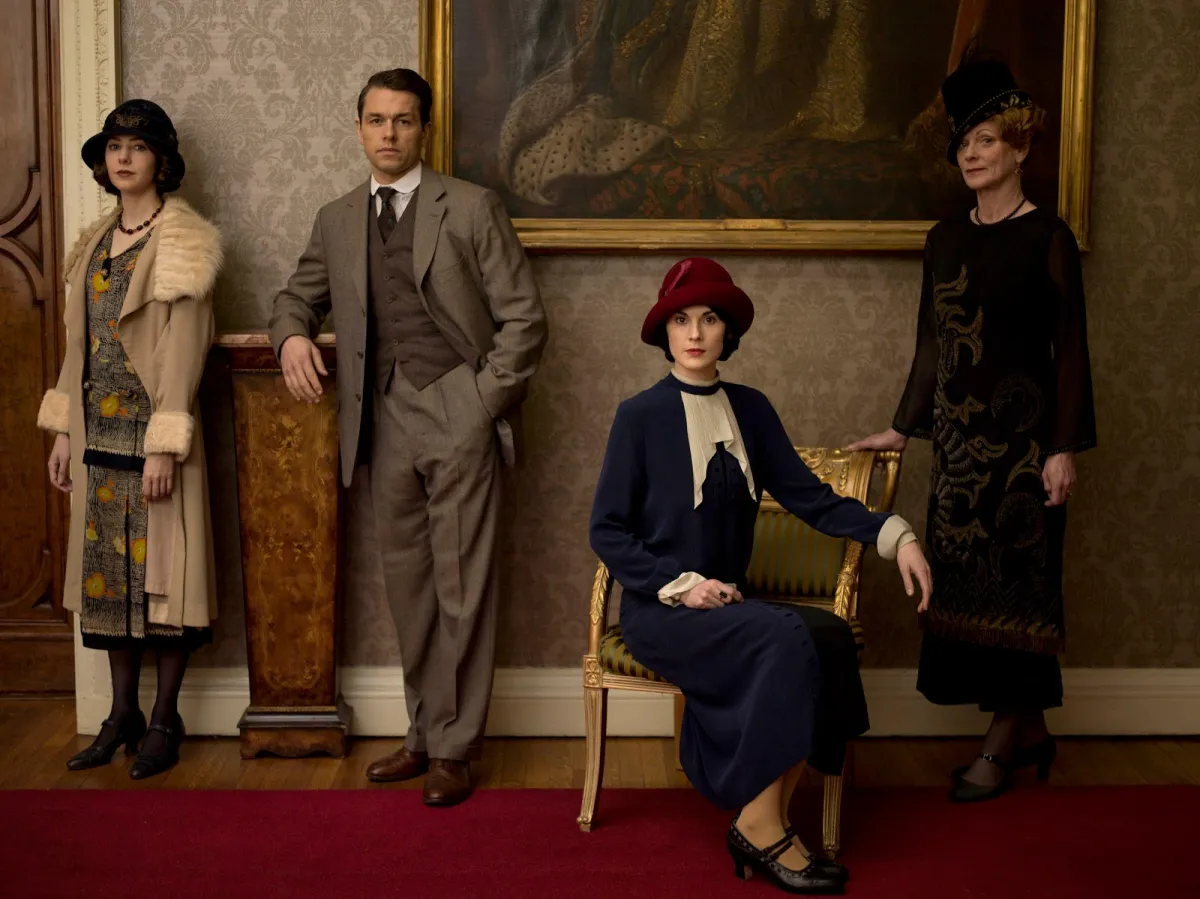 Photo: Downton Abbey, via 2.bp.blogspot.com
This crossover has elevated the status of makeup artistry whilst simultaneously emphasising the fundamental importance of skincare quality. The techniques that create television's most coveted complexions are increasingly accessible to sophisticated consumers willing to invest in both products and professional guidance.
The Cultural Impact
British television's influence on skincare aspirations reflects broader cultural shifts towards natural beauty, authenticity, and investment in skin health over temporary enhancement. The screen complexions that capture viewers' attention represent sophisticated interpretations of these values rather than traditional glamour aesthetics.
As British television drama continues to set global standards for visual storytelling, its influence on beauty culture will likely intensify. The techniques and products that create these coveted on-screen complexions are reshaping how sophisticated consumers approach their own skincare investments—elevating the pursuit of naturally perfect skin from aspiration to achievable reality.