Provenance Perfection: The Connoisseur's Guide to Investment-Grade Beauty Collecting
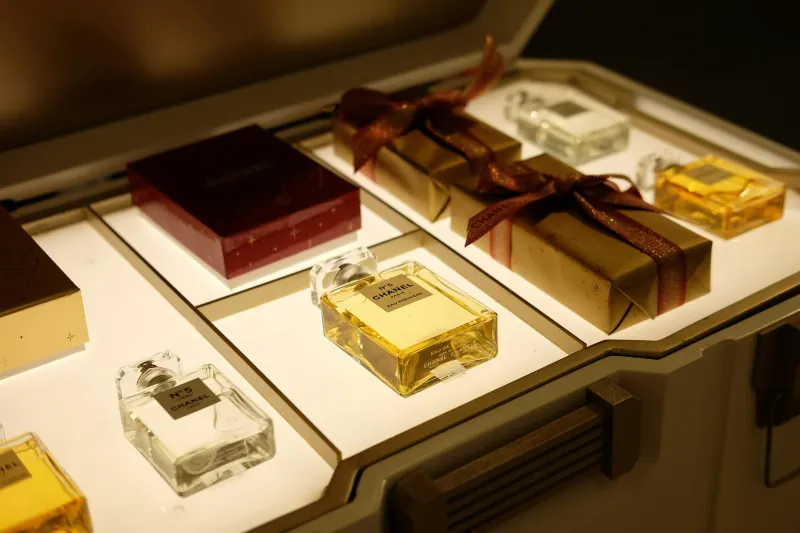
The Gallery Approach to Beauty Curation
In the hushed corridors of Mayfair's most prestigious auction houses, a new breed of collector has emerged. These discerning individuals apply the same forensic attention to a 1920s Guerlain powder compact as they would to a Picasso sketch, examining hallmarks, studying provenance, and understanding the cultural significance that transforms mere cosmetics into collectible treasures.
The parallels between fine art acquisition and sophisticated beauty collecting run deeper than surface aesthetics. Both require an educated eye, an understanding of historical context, and the patience to wait for truly exceptional pieces rather than settling for commercially available alternatives.
"The women I work with understand that a genuine 1950s Dior lipstick case tells a story that extends far beyond its function," explains Helena Marchmont, a specialist beauty curator who has worked with private collectors across London's most exclusive postcodes. "They're not simply purchasing products; they're acquiring pieces of cultural history."
The Authentication Imperative
Just as the art world has developed sophisticated methods for verifying authenticity, the upper echelons of beauty collecting have embraced similar rigour. Collectors now commission detailed provenance reports for significant acquisitions, particularly when dealing with pre-war European perfumes or limited-edition collaborations between fashion houses and perfumers.
The process begins with understanding the markers of authenticity that distinguish museum-quality pieces from clever reproductions. Original Chanel No. 5 bottles from the 1920s, for instance, can be identified by specific glass-making techniques and label positioning that modern reproductions cannot replicate with complete accuracy.
Serious collectors maintain detailed catalogues of their acquisitions, complete with purchase dates, provenance documentation, and condition reports. This methodical approach mirrors the practices of major museums and private art collectors, treating each piece as part of a larger cultural narrative rather than an isolated purchase.
The Investment Philosophy
Beyond the aesthetic pleasure of owning beautiful objects lies a sophisticated understanding of beauty collecting as alternative investment. Rare fragrances, particularly those from discontinued lines or featuring reformulated compositions, have demonstrated remarkable appreciation in value over the past decade.
Consider the trajectory of Estée Lauder's original White Linen formulation, discontinued in the 1990s. Sealed bottles now command prices that would have seemed absurd to the original purchasers, reflecting both scarcity and the impossibility of recreating the precise olfactory experience using modern ingredients.
This investment dimension requires collectors to think beyond personal preference, considering factors such as brand heritage, ingredient rarity, and cultural significance. The most astute collectors focus on pieces that represent pivotal moments in beauty history—the launch of a revolutionary skincare technology, the final batch of a fragrance before regulatory changes altered its composition, or limited editions created for significant anniversaries.
Curation as Cultural Stewardship
The most sophisticated collectors view their role as extending beyond personal enjoyment to cultural preservation. They understand that certain formulations, packaging designs, and brand collaborations represent irreplaceable moments in beauty history that deserve protection for future generations.
This stewardship mentality influences acquisition decisions, favouring pieces with complete documentation, original packaging, and clear historical significance. Collectors often specialise in particular periods or brands, developing expertise that rivals that of museum curators or brand historians.
The digital age has facilitated this scholarly approach, with serious collectors maintaining extensive databases, participating in specialist forums, and contributing to the growing body of knowledge about beauty history. Their collections become resources for researchers, brand historians, and future collectors seeking to understand the evolution of aesthetic standards and manufacturing techniques.
The Connoisseur's Network
Like the art world, sophisticated beauty collecting relies on networks of trusted dealers, specialists, and fellow collectors. These relationships, often developed over years or decades, provide access to pieces that never reach public auction or retail channels.
Private sales between collectors represent the highest tier of this market, where pieces change hands based on established relationships and mutual respect rather than public bidding wars. This discretion mirrors the private treaty sales common in fine art, where the most significant pieces are acquired through quiet negotiation rather than public spectacle.
The most successful collectors cultivate relationships with retired brand executives, former perfumers, and industry insiders who possess both knowledge and access to historically significant pieces. These connections provide not only acquisition opportunities but also the contextual information that transforms a beautiful object into a meaningful addition to a curated collection.
Beyond Acquisition: The Art of Display
True connoisseurs understand that acquisition represents only the beginning of sophisticated collecting. The presentation and preservation of pieces requires the same attention to detail as any museum exhibition, with considerations of lighting, temperature control, and security playing crucial roles.
Many serious collectors invest in custom storage solutions that protect their acquisitions whilst allowing for periodic display and enjoyment. Climate-controlled cabinets, UV-filtered lighting, and archival-quality storage materials ensure that pieces retain their condition and value over time.
The display philosophy often reflects broader aesthetic principles, with collections arranged to tell stories about particular periods, brands, or cultural movements. This curatorial approach transforms private collections into personal museums, where each piece contributes to a larger narrative about beauty, craftsmanship, and cultural evolution.
For Britain's most discerning beauty enthusiasts, collecting represents the ultimate expression of connoisseurship—a pursuit that demands knowledge, patience, and an appreciation for the intersection of commerce, culture, and art that defines the finest examples of beauty creation.