Heritage Vessels: How Britain's Antique Trade Is Elevating the Contemporary Beauty Collection
The Collector's Renaissance
Across Britain's most distinguished antique markets, a quiet revolution unfolds each weekend. Amongst the Georgian silver and Regency furniture, a new generation of beauty connoisseurs searches for treasures that transcend mere functionality. These are not casual browsers seeking decorative trinkets, but sophisticated collectors who understand that the vessels containing their beauty rituals are as significant as the formulations themselves.
At Portobello Road's Saturday morning congregation, dealers report an unprecedented demand for vintage perfume bottles, ornate powder compacts, and silver-handled grooming implements. "We're seeing women who approach beauty collecting with the same rigour as wine enthusiasts," observes Margaret Thornfield, a specialist in vintage cosmetic accessories who has operated from the same Notting Hill pitch for three decades. "They understand provenance, craftsmanship, and the narrative that each piece brings to their personal beauty sanctuary."
The Aesthetic Architecture of Ritual
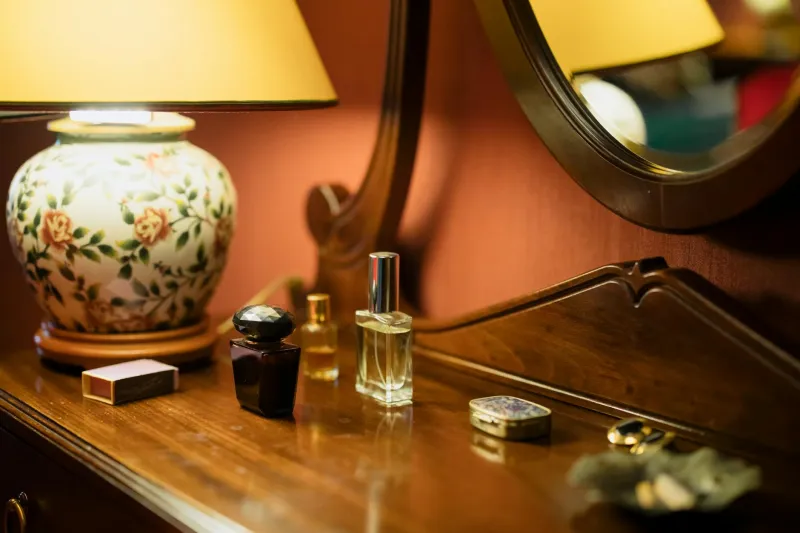
This movement extends far beyond mere acquisition. Contemporary beauty spaces are being transformed into curated galleries where each implement serves both practical and aesthetic purposes. The morning skincare routine becomes an interaction with history—applying serum from a 1920s apothecary bottle, or using a horn comb that might once have belonged to an Edwardian lady's maid.
Dr. Sarah Pemberton, author of "The Material Culture of British Beauty," explains this phenomenon as part of a broader cultural shift towards intentional living. "These collectors are rejecting the disposable nature of contemporary beauty culture," she notes. "They're creating spaces that honour the ritualistic aspects of self-care whilst surrounding themselves with objects that possess genuine historical significance."
The most sought-after pieces possess specific characteristics that distinguish them from contemporary equivalents. Victorian cut-glass perfume bottles with their intricate stoppers offer a weight and presence absent from modern packaging. Silver-backed brushes and mirrors, hallmarked by Birmingham's renowned silversmiths, provide a tactile luxury that plastic alternatives cannot replicate.
Market Intelligence and Authentication
Navigating this specialised collecting arena requires considerable expertise. At Newark's monthly antiques fair—considered the epicentre of serious British collecting—dealers emphasise the importance of authentication and condition assessment. Original Lalique perfume bottles command premium prices, whilst reproduction pieces flood less reputable markets.
"Authenticity is paramount," explains James Whitmore, whose family has dealt in luxury vintage accessories for four generations. "A genuine 1930s Guerlain presentation case tells a story that contemporary packaging simply cannot. The patina, the craftsmanship, the historical context—these elements transform a functional object into a cultural artefact."
The most astute collectors develop relationships with specialist dealers who understand their aesthetic preferences and collecting focus. Some concentrate on specific periods—Art Deco powder compacts with their geometric precision, or Edwardian silver with its elaborate engravings. Others focus on particular functions, assembling comprehensive grooming sets that span centuries of British craftsmanship.
The Contemporary Integration
Successfully incorporating these heritage pieces into modern beauty routines requires considerable sophistication. Interior designers specialising in luxury beauty spaces report increased commissions for bespoke vanity areas that accommodate both antique vessels and contemporary products.
"The challenge lies in creating coherent narratives," explains Camilla Westbrook, whose Mayfair practice designs beauty spaces for discerning clients. "A 1920s atomiser must coexist harmoniously with modern skincare formulations. The aesthetic conversation between periods requires careful curation."
Practical considerations also demand attention. Antique perfume bottles require careful cleaning and may need new atomiser mechanisms. Silver pieces demand regular maintenance to preserve their lustre. Yet collectors embrace these responsibilities as part of the ownership experience, viewing maintenance as a meditative practice that deepens their connection to these objects.
The Cultural Significance
This movement reflects broader cultural attitudes towards sustainability and authenticity in British society. Rather than constantly acquiring new products, these collectors invest in timeless pieces that will outlast contemporary trends. Their beauty spaces become personal museums that celebrate both historical craftsmanship and individual aesthetic sensibility.
The practice also represents a form of cultural preservation. By maintaining and using these objects, collectors ensure their survival whilst keeping traditional crafts and aesthetic principles alive in contemporary contexts. Each morning routine becomes an act of cultural continuity, connecting modern practitioners to generations of British women who valued beauty as both personal ritual and social expression.
Investment and Legacy
Beyond aesthetic considerations, serious collectors view their acquisitions as investments that appreciate over time. Quality pieces from established makers—Asprey, Mappin & Webb, or Liberty & Co.—demonstrate consistent value growth whilst providing daily pleasure through use.
"These are objects designed to last centuries," notes auction house specialist Victoria Harrington. "Unlike contemporary beauty packaging, which is discarded within months, these pieces were created as lifetime companions. Their value lies not merely in their monetary worth, but in their capacity to elevate daily routines into meaningful ceremonies."
As this collecting movement matures, its influence extends beyond individual beauty spaces to shape broader aesthetic trends. Contemporary brands increasingly reference historical packaging designs, whilst interior designers incorporate vintage-inspired elements into modern beauty spaces. The collector's discerning eye is gradually elevating standards across the entire beauty industry, demanding the same attention to craftsmanship and aesthetic consideration that characterised Britain's greatest decorative arts periods.