Geological Beauty: Britain's Mineral Heritage Shapes Contemporary Clean Formulations
The Terroir of British Beauty
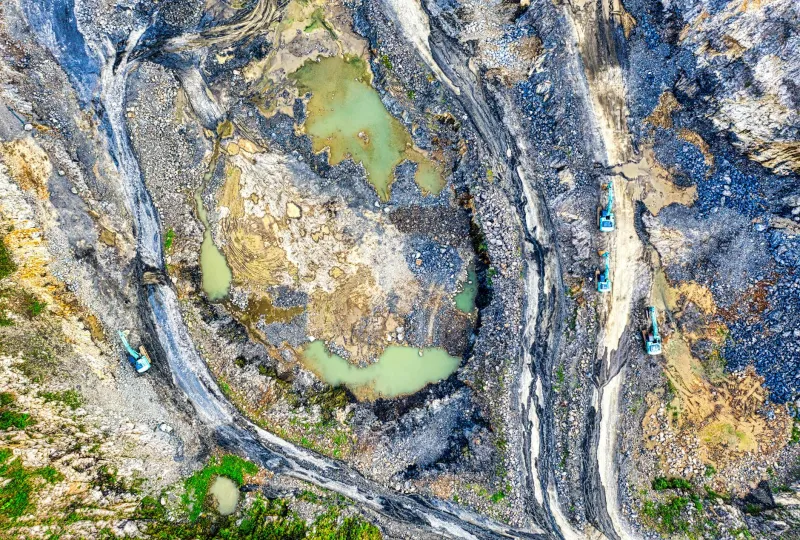
Beneath Britain's varied landscapes lies a geological treasure trove that forward-thinking beauty formulators are transforming into sophisticated skincare solutions. This movement transcends the superficial trend of 'natural' beauty, instead embracing a scientifically rigorous approach to mineral-based formulations rooted in Britain's rich geological heritage.
The concept of terroir—traditionally associated with wine and gastronomy—is experiencing a renaissance within the beauty industry. British brands are discovering that the mineral composition of local landscapes offers unique formulation opportunities, creating products that reflect both place and purpose with unprecedented sophistication.
Cornwall's Ceramic Legacy
The china clay deposits of Cornwall, formed over millions of years through the decomposition of feldspar, represent one of Britain's most significant contributions to contemporary skincare science. Kaolin, prized for its exceptional purity and gentle absorption properties, has become the foundation for a new generation of clarifying treatments.
Established in St. Austell, Cornish brand Mineral Alchemy has pioneered the use of locally sourced kaolin in their signature purifying masks. Founder Dr. Elizabeth Tremaine explains: "Cornish kaolin possesses a unique crystalline structure that provides superior oil absorption whilst maintaining skin barrier integrity. This isn't merely about using local ingredients—it's about harnessing geological specificity for therapeutic benefit."
The brand's approach involves detailed mineralogical analysis of clay deposits, ensuring optimal particle size distribution and mineral content for skincare applications. This scientific rigour distinguishes genuine mineral-based formulations from superficial 'clean' beauty marketing.
Scottish Highland Waters
The pristine waters flowing through Scotland's ancient geological formations carry dissolved minerals that have captured the attention of sophisticated formulators. The granite and schist bedrock of the Highlands imparts a unique mineral profile to local water sources, rich in trace elements beneficial for skin health.
Glencoe Skincare, established in the shadow of Ben Nevis, has developed a proprietary extraction process that concentrates Highland spring water whilst preserving its delicate mineral balance. Their thermal water treatments contain elevated levels of silica, magnesium, and trace minerals that support skin barrier function and cellular regeneration.
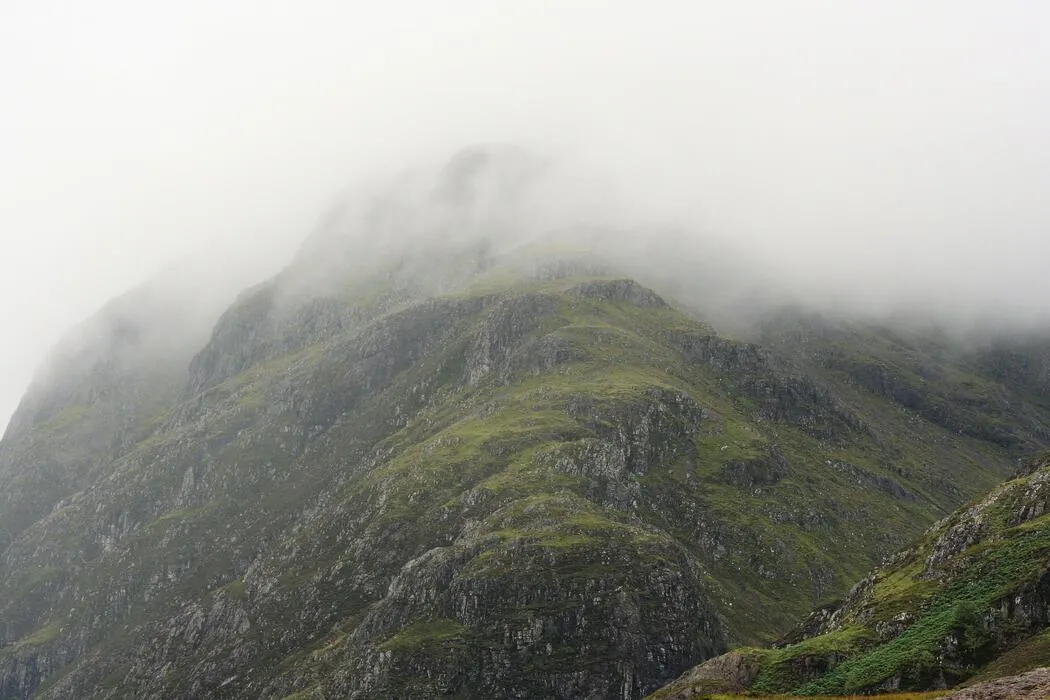 Photo: Ben Nevis, via static.vecteezy.com
"The geological age of Highland bedrock means our water sources contain minerals in forms readily absorbed by human skin," explains company chemist Dr. Moira MacLeod. "This isn't marketing mystique—it's measurable mineral content with demonstrable biological activity."
Welsh Slate Innovation
The slate quarries of Snowdonia have yielded an unexpected beauty ingredient: finely milled Welsh slate powder, rich in silica and trace minerals. This material, traditionally used in construction, has been refined for cosmetic applications by innovative formulators seeking alternatives to conventional exfoliating agents.
Llanberis-based Slate Skincare has developed a proprietary milling process that creates ultra-fine slate particles suitable for gentle exfoliation. The resulting powder maintains the mineral integrity of the original slate whilst achieving the particle size necessary for safe skincare application.
The brand's research indicates that Welsh slate contains a unique combination of silica, alumina, and trace minerals that provide both immediate exfoliation benefits and long-term skin conditioning effects. This dual action represents a sophisticated approach to mineral-based skincare that transcends simple mechanical exfoliation.
The Science of Mineral Absorption
The efficacy of mineral-based skincare depends upon the bioavailability of active components—their ability to penetrate skin barriers and deliver therapeutic benefits. British geological formations offer minerals in naturally occurring forms that demonstrate superior bioavailability compared to synthetic alternatives.
Recent research conducted at Imperial College London has confirmed that naturally occurring mineral complexes, such as those found in British clay and water sources, exhibit enhanced penetration characteristics when compared to laboratory-synthesised equivalents. This scientific validation supports the sophisticated formulation approaches employed by Britain's mineral-focused beauty brands.
Sustainable Extraction Practices
The responsible utilisation of Britain's geological resources requires sophisticated extraction methodologies that preserve environmental integrity whilst ensuring product quality. Leading brands have implemented closed-loop systems that minimise environmental impact whilst maintaining the purity essential for cosmetic applications.
These practices include selective harvesting of renewable clay deposits, sustainable water extraction from replenishing sources, and comprehensive environmental monitoring to ensure long-term resource viability. Such approaches reflect the sophisticated environmental consciousness expected by discerning beauty consumers.
The Future of Geological Beauty
As analytical techniques become increasingly sophisticated, the potential for geological beauty continues to expand. Current research explores the therapeutic potential of minerals from previously unexplored British formations, including the limestone caves of the Yorkshire Dales and the volcanic deposits of the Scottish islands.
These investigations promise to reveal new mineral complexes suitable for advanced skincare applications, ensuring that Britain's geological heritage continues to inspire innovative beauty formulations. For the sophisticated consumer seeking products that combine scientific credibility with environmental responsibility, geological beauty represents the future of clean formulation.