The Evening Edit: Mastering Britain's Most Sophisticated Day-to-Night Beauty Transitions
The Geography of British Evening Beauty
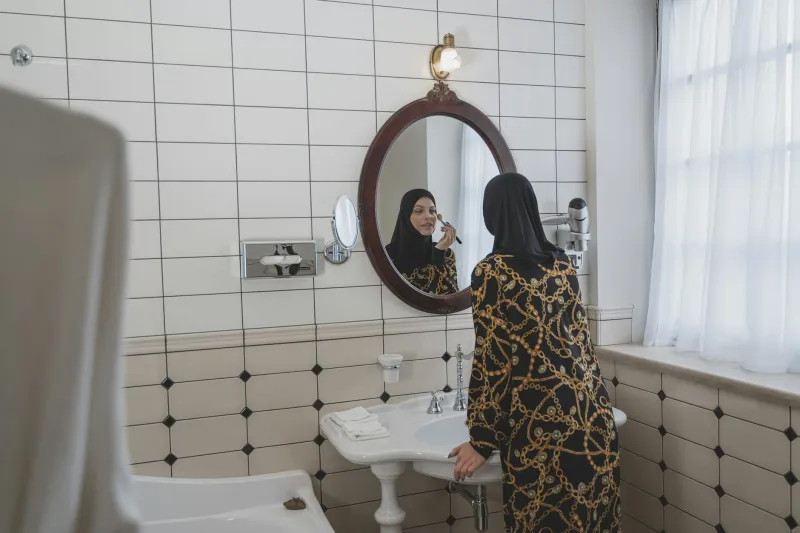
The five o'clock transformation has become something of an art form among Britain's most discerning professionals. Unlike the rushed touch-ups of decades past, today's approach requires strategic thinking, quality products, and an understanding of how different social contexts demand subtle shifts in presentation.
Consider the City lawyer transitioning from a chambers meeting to dinner at Sketch, or the Edinburgh arts administrator moving from a morning at the Scottish National Gallery to an evening preview in the New Town. Each scenario demands not just competence but genuine sophistication in the art of beauty transition.
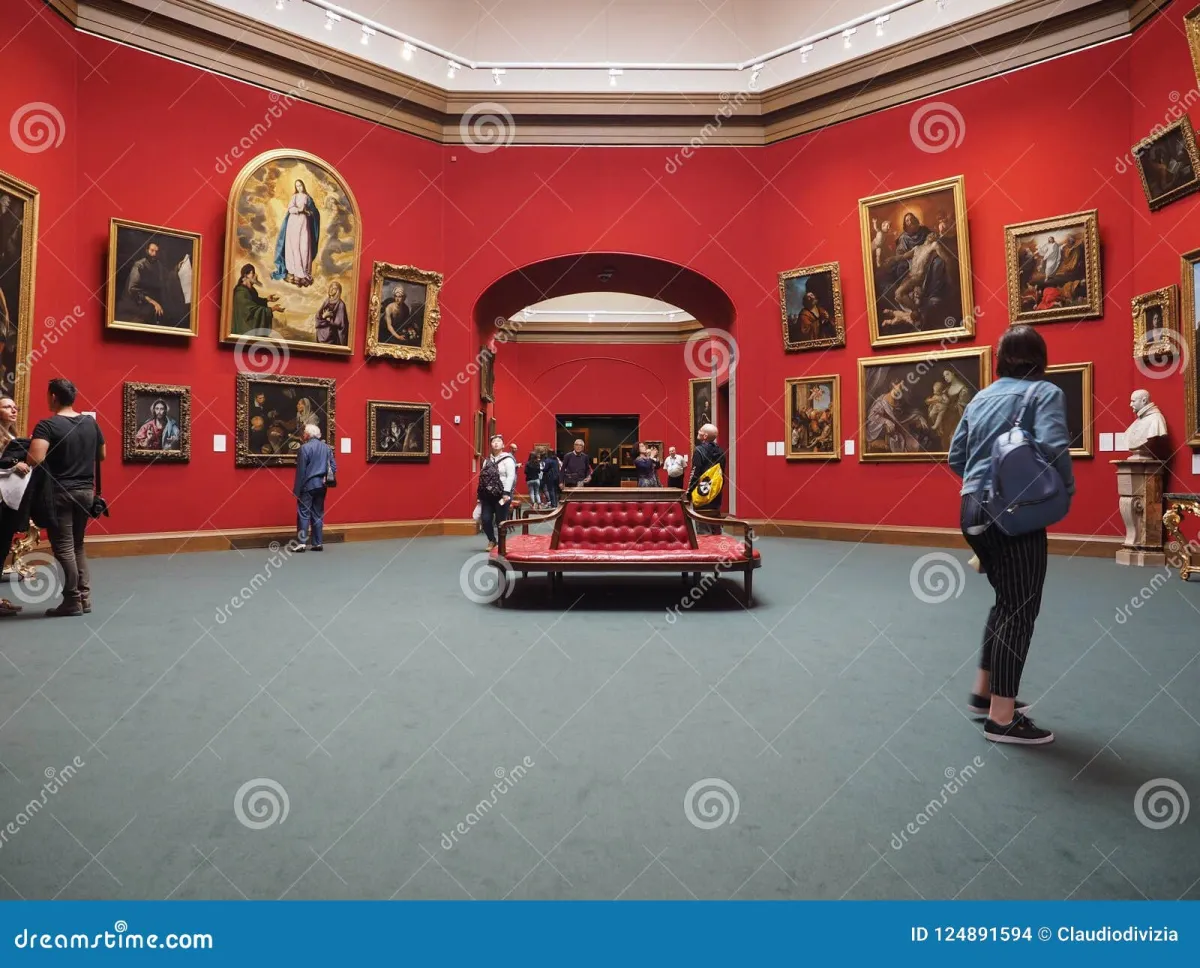 Photo: Scottish National Gallery, via thumbs.dreamstime.com
The London Laboratory
London's unique social geography provides the perfect testing ground for refined transition techniques. The journey from a Mayfair office to a Soho members' club requires more than a simple lipstick refresh—it demands a fundamental understanding of how different environments and lighting conditions interact with one's carefully curated appearance.
Sarah Chen, a senior partner at a leading City law firm, has perfected what she terms "the invisible edit." Her technique centres on enhancing existing elements rather than adding new ones. "I never completely change my look between day and evening," Chen explains. "Instead, I intensify what's already there."
Her method involves deepening her existing lip colour with a slightly richer tone from the same family, adding a subtle wash of cream eyeshadow that catches the light differently under evening illumination, and switching from her daytime eau de toilette to the corresponding eau de parfum concentration.
The Regional Refinement
Beyond London's metropolitan demands, Britain's regional centres present their own unique transition challenges. Manchester's creative quarter requires a different approach from Edinburgh's professional districts, and both differ significantly from Bath's elegant social scene.
Dr. Rebecca Thornton, a consultant at Manchester's Christie Hospital who frequently attends evening fundraising events, has developed a transition routine that respects both her professional authority and the creative energy of the city's social scene. "Manchester appreciates authenticity above all else," Thornton observes. "My evening look needs to feel like a natural extension of my professional self, not a costume change."
 Photo: Christie Hospital, via www.enigma-is.com
Her approach centres on fragrance as the primary transition tool. A strategic application of Tom Ford's Oud Wood—just two precise sprays at the pulse points—creates an entirely different olfactory signature whilst maintaining visual continuity with her daytime appearance.
The Strategic Edit
The most sophisticated transitions rely on strategic product selection rather than extensive application. This requires building a beauty wardrobe around pieces that can perform double duty whilst maintaining their individual integrity.
Charlotte Hawkins, a gallery director in Bath, exemplifies this approach. Her transition kit contains just five items: a cream blush that can be applied over powder foundation for evening depth, a highlighter that works equally well as eyeshadow, a lip colour with enough pigment to stain through multiple applications, a travel-sized fragrance in a deeper concentration than her daytime scent, and a small pot of balm that can define brows, add lip shine, or create subtle cheekbone definition.
"Quality over quantity becomes even more important when you're working with limited space and time," Hawkins explains. "Every product needs to justify its place in the edit."
The Fragrance Foundation
Perhaps no element is more crucial to successful evening transition than fragrance. The sophisticated approach involves not just changing scents but understanding how different concentrations and application techniques can transform the same fragrance family.
Jo Malone's approach to fragrance layering provides an excellent template. Beginning with a light application of Lime Basil & Mandarin cologne for daytime freshness, the evening transition might involve adding Wood Sage & Sea Salt at the wrists and Pomegranate Noir behind the ears, creating a complex, evolving scent story that carries the wearer through different social contexts.
The Lighting Consideration
Britain's notoriously changeable light conditions—from the harsh fluorescence of office environments to the warm candlelight of evening venues—require products that perform consistently across different illumination scenarios.
This means avoiding stark contrasts that might appear jarring under evening lighting whilst ensuring sufficient definition to maintain presence in dimmer environments. Cream formulations generally transition more gracefully than powders, whilst products with subtle luminosity help maintain skin's vitality under artificial lighting.
The Professional Polish
The most successful transitions maintain professional polish whilst acknowledging the different energy of evening social contexts. This isn't about dramatic transformation but rather about subtle intensification that respects both occasions equally.
For the Edinburgh professional attending a gallery opening, this might mean deepening an existing neutral eyeshadow with a slightly smokier tone, adding a second coat of mascara for definition under gallery lighting, and switching from a daytime rose lip colour to its evening counterpart in berry.
The Considered Routine
The key to mastering the British day-to-night transition lies not in the products themselves but in the routine that surrounds them. This means understanding which elements of your daytime look can be enhanced rather than replaced, and having the confidence to make subtle adjustments that honour both your professional competence and your evening sophistication.
The result is an approach to beauty transition that feels distinctly British: understated yet assured, practical yet refined, and always appropriate to the context whilst remaining authentically personal.