English Gardens to Vanity Tables: The Horticultural Revolution in British Beauty
The Symbiosis of Soil and Science
Within the hallowed grounds of the Royal Hospital Chelsea, where Britain's most distinguished gardeners converge each May, an unexpected alliance has taken root. The Royal Horticultural Society's flagship exhibition has become more than a showcase of prized blooms—it has emerged as the epicentre of a sophisticated botanical beauty movement that marries centuries-old English horticultural expertise with cutting-edge cosmetic science.
This convergence represents a fundamental shift in how discerning British consumers approach beauty. Rather than seeking exotic ingredients from distant shores, the most sophisticated beauty enthusiasts are turning their attention to the meticulously cultivated gardens that have defined English landscape architecture for generations.
Beyond Romanticism: The Science of English Flora
The transformation of garden-to-vanity-table beauty extends far beyond the superficial appeal of rose-scented creams or lavender-infused serums. Leading British cosmetic chemists are collaborating directly with award-winning horticulturalists to identify and extract potent bioactive compounds from heritage English varieties.
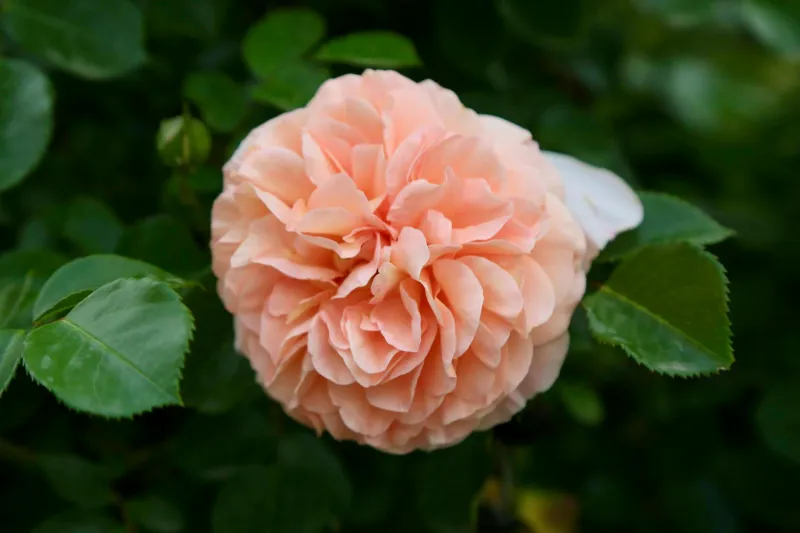
Damask roses, cultivated in English walled gardens since the Tudor era, have revealed remarkable concentrations of antioxidants and essential fatty acids. These compounds, when properly extracted and stabilised, demonstrate superior anti-inflammatory properties compared to their commercially farmed counterparts. The difference lies in terroir—the unique combination of English soil composition, climate patterns, and traditional cultivation methods that create optimal growing conditions.
Sweet pea varieties, long prized by English gardeners for their delicate fragrance and climbing prowess, contain naturally occurring peptides that support collagen synthesis. Modern extraction techniques preserve these bioactive elements whilst eliminating potential irritants, creating formulations that deliver measurable results rather than merely olfactory pleasure.
The Artisanal Advantage
Britain's independent beauty brands have positioned themselves at the forefront of this horticultural revolution, leveraging relationships with specialist growers who prioritise quality over quantity. These partnerships enable access to single-variety botanicals harvested at peak potency—a level of ingredient integrity impossible to achieve through conventional supply chains.
Established English gardens, from National Trust properties to private estates, have become unexpected sources of premium beauty ingredients. The controlled environments of these heritage spaces, maintained according to traditional methods, produce botanicals with consistent potency and purity profiles that appeal to formulators seeking reliable, traceable ingredients.
This approach represents a sophisticated understanding of ingredient sourcing that extends beyond marketing appeal. By working directly with growers, British beauty brands can specify cultivation methods, harvest timing, and processing techniques that optimise the therapeutic value of each botanical component.
Seasonal Sophistication
The Chelsea Flower Show's influence extends to the seasonal structuring of beauty routines, mirroring the cyclical nature of English gardens. Sophisticated consumers are increasingly adopting seasonal beauty wardrobes that align with the natural blooming cycles of British flora.
Spring formulations feature early-blooming varieties like primrose and sweet violet, whose gentle compounds support skin's transition from winter dormancy to renewed activity. Summer collections showcase the full spectrum of English garden blooms—from the robust antioxidants found in heritage roses to the soothing properties of chamomile varieties cultivated in monastery gardens.
Autumn and winter formulations draw upon the concentrated essences of late-season blooms and the nutrient-dense properties of botanical seeds and roots. This seasonal approach ensures that skincare routines remain aligned with both environmental conditions and the natural biorhythms of English flora.
The Terroir of British Beauty
The concept of terroir, traditionally associated with wine production, has found new relevance in botanical beauty. English growing conditions—the interplay of maritime climate, chalk downs, and clay soils—create unique phytochemical profiles that distinguish British-grown botanicals from their international counterparts.
This geographical specificity appeals to discerning consumers who value provenance and authenticity. The knowledge that one's skincare ingredients were cultivated in the same soil that produces award-winning Chelsea displays adds a layer of cultural resonance that transcends mere efficacy.
Cultivating the Future
The horticultural beauty movement represents more than a passing trend—it signals a fundamental shift towards sustainable, traceable luxury. As British beauty brands continue to forge partnerships with heritage growers and innovative horticulturalists, the line between garden and laboratory continues to blur.
This evolution positions Britain uniquely within the global beauty landscape. Where other markets chase exotic ingredients and synthetic innovations, British beauty excellence increasingly rests upon the sophisticated application of homegrown botanical wisdom—a approach that honours tradition whilst embracing scientific advancement.
For the discerning beauty enthusiast, this represents an opportunity to participate in a uniquely British aesthetic movement that values substance over spectacle, heritage over novelty, and the quiet sophistication of English gardens over the clamour of international beauty trends.