The Contemplative Vanity: Redefining the British Beauty Space as Personal Sanctuary
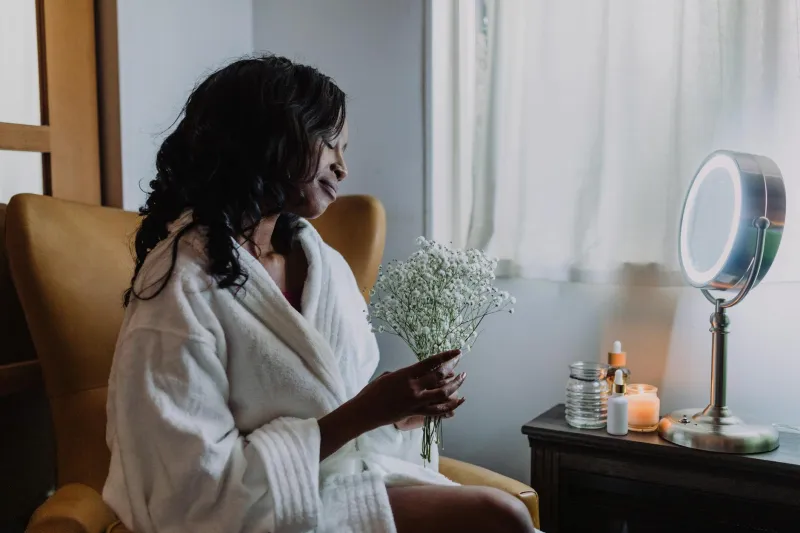
The Architecture of Intention
In the drawing rooms of Belgravia and the converted mill houses of Yorkshire, a quiet revolution is taking place. Britain's most sophisticated women are abandoning the rushed, utilitarian approach to beauty preparation in favour of something altogether more considered: the contemplative vanity.
This evolution extends far beyond mere aesthetics. Where once a dressing table served simply as storage for cosmetics and a mirror for application, today's discerning woman views her beauty space as a carefully orchestrated environment for daily restoration. The shift represents a fundamental understanding that the physical space in which we prepare ourselves profoundly influences both our mental state and the quality of our self-care rituals.
"The vanity has become a site of meditation," observes interior stylist Camilla Thornton-Davies, whose clients include several prominent figures from London's cultural elite. "We're seeing women invest in creating spaces that support not just their beauty routines, but their overall wellbeing. It's about creating a pause in the day."
The Sensory Foundation
The transformation begins with light—natural where possible, but increasingly supplemented by carefully selected illumination that mimics the quality of daylight without its harshness. Gone are the Hollywood-style bulbs that dominated vanity design for decades. Instead, we see the emergence of diffused, adjustable lighting systems that honour the skin's natural appearance whilst providing adequate illumination for precision work.
Texture plays an equally crucial role. The cold functionality of glass and chrome is giving way to warmer materials: hand-carved wooden organisers from British craftspeople, stone vessels for brushes, and linen-lined drawers that transform the simple act of retrieving a lipstick into a tactile pleasure.
"Touch is often overlooked in beauty space design," notes beauty editor Sarah Pemberton-Clarke, who has documented this trend across her extensive network of industry contacts. "But when you consider that our morning routine is one of the first ways we connect with our physical selves each day, the importance of pleasant textures becomes clear."
The Olfactory Dimension
Perhaps nowhere is the wellness integration more evident than in the strategic use of fragrance within these reimagined spaces. Rather than simply housing perfume bottles as decorative objects, the new vanity incorporates scent as an active element of the beauty ritual.
Artisanal candle brands such as Diptyque and Trudon have become fixtures, not for their visual appeal, but for their ability to create an immediate sensory shift that signals the beginning of a dedicated self-care period. Similarly, reed diffusers containing carefully selected essential oil blends serve to maintain a consistent olfactory environment that supports focus and relaxation.
The practice extends to the selection of beauty products themselves. Many women are now choosing skincare and cosmetics based not only on their efficacy but on their sensory properties—the weight of a cream jar in the hand, the sound of a compact closing, the subtle fragrance that accompanies application.
Curated Storage as Ritual
The organisation of products within these spaces reflects a departure from purely practical considerations towards something approaching curation. Rather than hiding beauty tools and products away, the contemplative vanity celebrates them as objects worthy of display.
Bespoke organisers, often commissioned from British artisans, serve dual purposes: they maintain order whilst elevating everyday items to the status of cherished possessions. A hand-turned wooden brush holder or a marble tray for daily essentials transforms routine maintenance into conscious selection.
"It's about honouring your tools," explains Thornton-Davies. "When you treat your beauty products with respect—displaying them thoughtfully, storing them properly—it changes how you feel about using them. The ritual becomes more intentional."
The Technology Integration
Whilst the aesthetic leans towards natural materials and traditional craftsmanship, technology plays a subtle but important role in these evolved spaces. Climate control ensures that skincare products maintain their efficacy, whilst discrete sound systems allow for the integration of meditation apps or calming playlists that enhance the restorative aspect of the routine.
Some women have incorporated smart mirrors that can adjust their lighting throughout the day, ensuring that morning skincare application occurs under conditions that will translate well to natural daylight. Others have invested in air purification systems that maintain optimal conditions for both skin health and product preservation.
The Psychological Shift
The true significance of this trend lies not in its material elements but in its psychological impact. By creating a dedicated space that prioritises mindfulness and sensory pleasure, these women are fundamentally altering their relationship with daily beauty rituals.
The hurried application of products whilst mentally preparing for the day ahead gives way to a more present, meditative approach. This shift often results in more thoughtful product selection, better application techniques, and ultimately, enhanced results from the same routines.
The Broader Implications
This evolution of the British vanity reflects broader cultural shifts towards mindfulness and intentional living. In a world increasingly dominated by digital distractions and compressed schedules, the contemplative beauty space offers a daily opportunity for genuine self-connection.
As this trend continues to develop, we can expect to see further integration of wellness principles into beauty space design, with considerations for everything from feng shui principles to biophilic design elements that bring nature into these intimate spaces.
The message is clear: for Britain's most discerning women, beauty preparation has evolved from mere grooming into a practice of daily restoration, supported by thoughtfully designed environments that honour both the ritual and the individual.