Cathedral Complexion: The Luminous Art of Stained Glass Beauty

In the soaring nave of Canterbury Cathedral, where light transforms coloured glass into something approaching the divine, lies an unexpected lesson in complexion artistry. The master glaziers who created these luminous masterpieces understood something that contemporary beauty often overlooks: true radiance emerges not from opacity but from the sophisticated interplay of translucency, depth, and dimensional colour.
 Photo: Canterbury Cathedral, via www.canterbury-cathedral.org
The Architecture of Light
Stained glass achieves its ethereal beauty through a principle that revolutionises our understanding of complexion work: multiple layers of transparent and semi-transparent colour that allow light to pass through whilst creating depth and dimension. This technique, perfected in Britain's great cathedrals and refined by the Pre-Raphaelite movement, offers a compelling alternative to the heavy coverage that dominates contemporary makeup artistry.
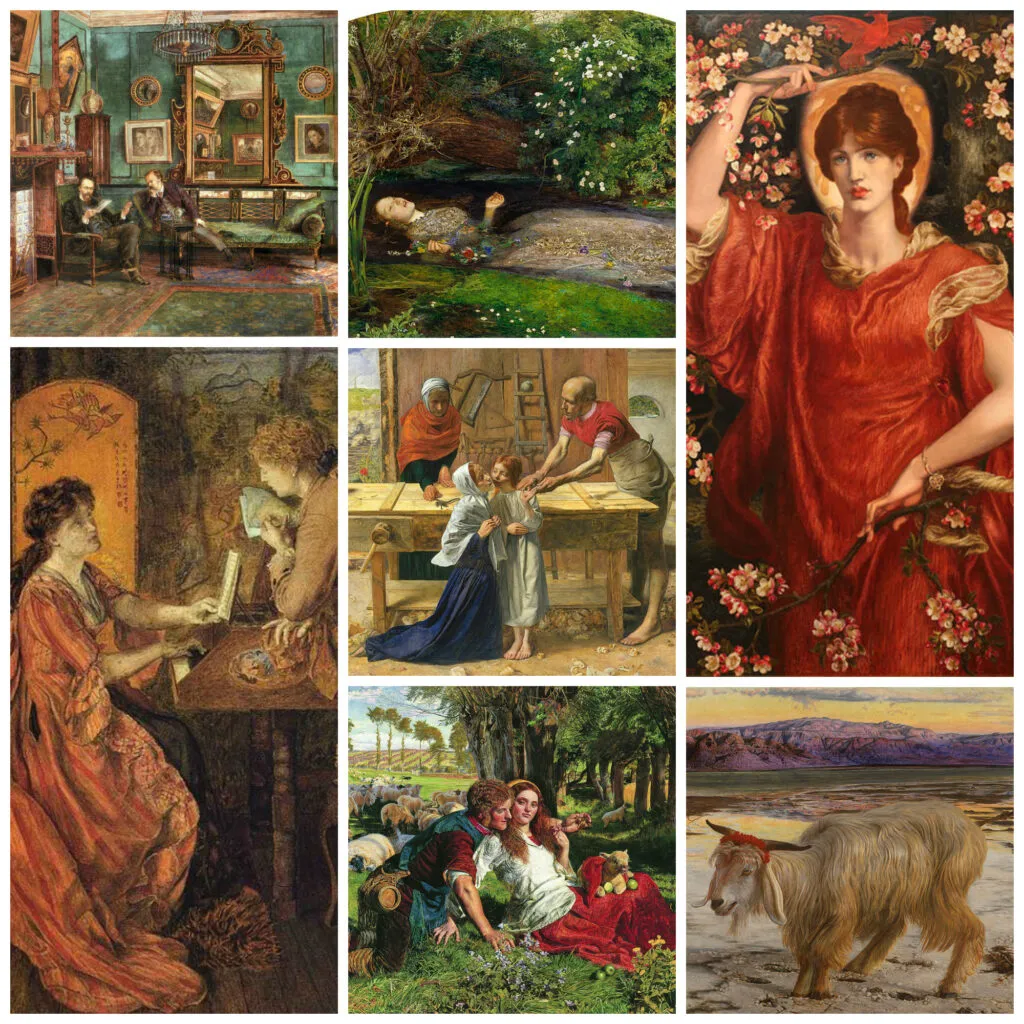 Photo: Pre-Raphaelite movement, via masterpiececurations.com
The woman who understands stained glass beauty recognises her skin as a canvas capable of capturing and transforming light rather than simply reflecting it. This requires abandoning the pursuit of flawless opacity in favour of what might be termed "luminous imperfection"—a complexion that appears naturally radiant because it allows light to interact with the skin's natural texture and undertones.
Consider the rose window at York Minster, where deep crimsons and warm golds create richness through layering rather than saturation. The sophisticated makeup artist applies this same principle, building colour gradually through multiple sheer applications rather than attempting to achieve intensity through a single heavy layer.
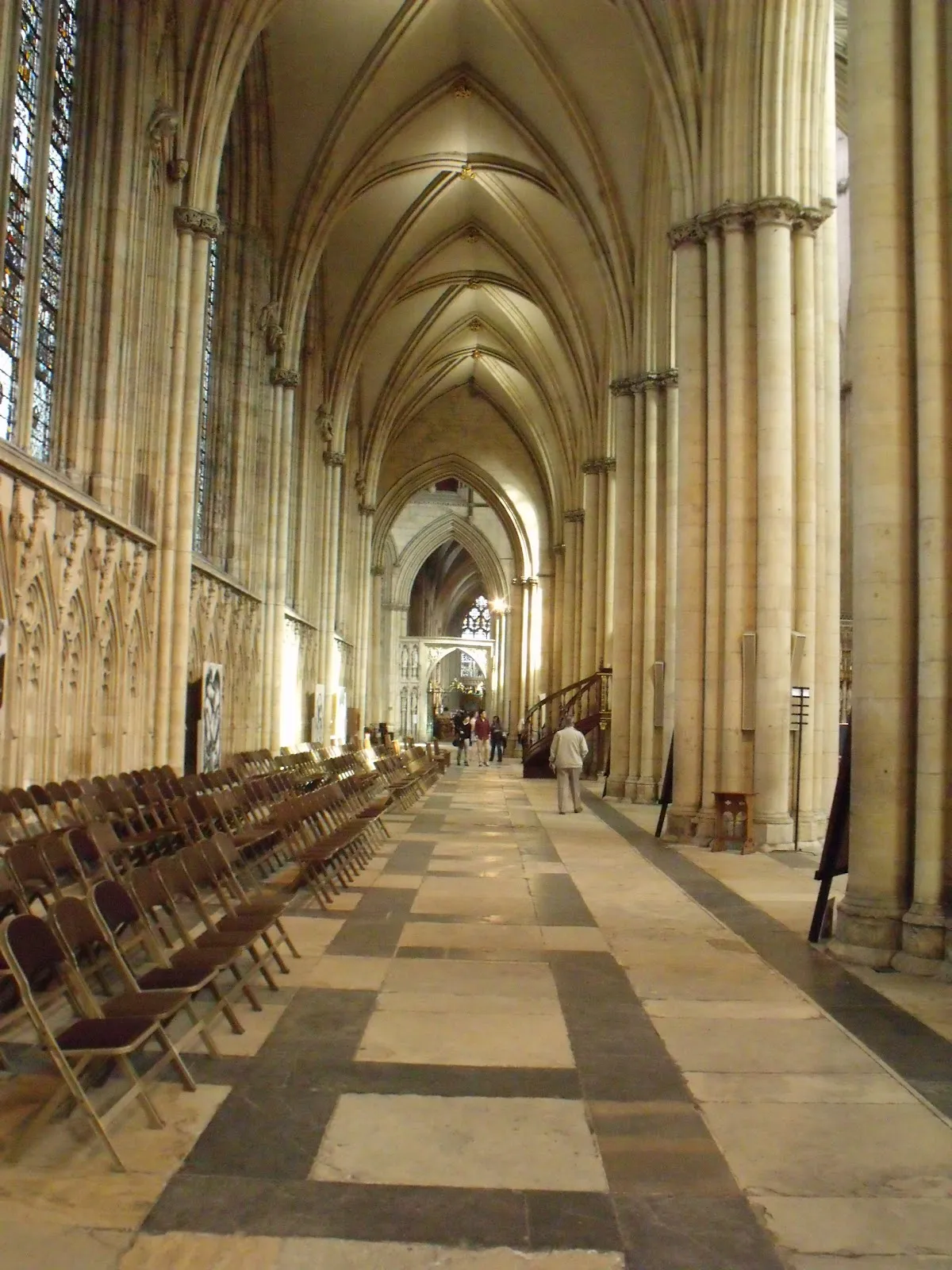 Photo: York Minster, via 1.bp.blogspot.com
The Craft of Translucent Layering
The creation of cathedral glass requires understanding how different densities of colour interact when light passes through them. Similarly, the stained glass approach to complexion demands knowledge of how various formulations layer and blend to create dimensional beauty.
Begin with the lightest possible base—a tinted serum or BB cream that provides minimal coverage whilst evening skin tone. This functions as the clear glass foundation upon which all subsequent colour will be built. The goal is not concealment but gentle unification, allowing the skin's natural texture to remain visible whilst providing a subtle canvas for layering.
Next, introduce colour through strategic placement rather than all-over application. Use a cream blush in a shade that complements your natural undertones, applied sparingly to the apples of the cheeks and blended upwards towards the temples. The key lies in building colour gradually, adding layers until you achieve the desired intensity whilst maintaining transparency.
For the eyes, abandon the traditional approach of distinct colour blocks in favour of gradual transitions that mimic the flowing colour changes found in ecclesiastical windows. Apply a wash of neutral tone across the entire lid, then introduce deeper colour gradually, blending each addition so thoroughly that no harsh lines remain visible.
The Science of Optical Mixing
Medieval glaziers understood optical mixing—the phenomenon where colours appear to blend when viewed from a distance whilst remaining distinct up close. This principle creates the vibrant yet harmonious colour palettes that make stained glass so compelling, and it offers profound implications for sophisticated makeup application.
Rather than mixing colours on the back of your hand before application, apply complementary shades in close proximity and allow the eye to blend them optically. This technique creates more dynamic, living colour that shifts subtly with changing light conditions—exactly the quality that makes stained glass so captivating.
For lips, this might mean applying a sheer berry shade, then adding touches of warm coral at the centre, allowing the colours to merge naturally. The result appears more complex and interesting than either shade alone whilst maintaining the translucency that characterises sophisticated beauty.
Illumination Techniques
The positioning of highlights in stained glass follows architectural principles designed to maximise the interaction between light and colour. The beauty enthusiast who studies these patterns discovers placement strategies that create more natural, convincing luminosity than traditional highlighting approaches.
Observe how light strikes the face naturally—along the bridge of the nose, across the cheekbones, on the centre of the forehead, and at the chin's apex. These are the points where gentle illumination enhances rather than fights natural light patterns. Use a highlighting product with subtle warmth rather than stark white or silver undertones, applying with restraint and blending thoroughly to avoid obvious placement.
The most sophisticated highlighting mimics the way light behaves in nature—soft, gradual, and integrated rather than applied in obvious stripes or geometric shapes. Consider the gentle glow that emanates from behind coloured glass, where illumination appears to come from within rather than being painted on top.
Seasonal Light Considerations
Britain's changing light conditions throughout the year offer lessons in adapting the stained glass approach to complexion. Winter's low, grey light requires warmer undertones and slightly more substantial application to maintain luminosity, whilst summer's bright conditions allow for the most delicate, transparent applications.
Study how the same stained glass window appears different throughout the day and across seasons. Morning light reveals cool undertones and sharp contrasts, whilst evening illumination warms all colours and softens edges. Your complexion strategy should adapt similarly, with cooler tones for crisp morning light and warmer formulations for evening's golden hour.
The Fragrance of Light
Stained glass beauty extends beyond the visual to encompass the complete sensory experience of luminosity. The most sophisticated practitioners understand that scent plays a crucial role in creating the impression of radiance and vitality that characterises truly beautiful complexion.
Seek fragrances that complement rather than compete with your complexion work. Light, transparent scents with crystalline qualities—white tea, soft citrus, clean musks—enhance the impression of natural radiance. Avoid heavy, opaque fragrances that create sensory discord with the translucent aesthetic you've carefully constructed.
Consider how scent interacts with the warmth generated by makeup application and the natural oils of healthy skin. Choose formulations that develop beautifully as they warm against the skin, creating an olfactory equivalent to the way light transforms stained glass throughout the day.
Tools for Cathedral Artistry
The creation of stained glass requires specialised tools designed for precision and delicacy. Similarly, achieving translucent beauty demands implements that allow for controlled, gradual application rather than heavy coverage.
Invest in brushes with soft, natural bristles that pick up minimal product and deposit it evenly. Synthetic brushes, whilst excellent for liquid formulations, can apply too much powder product too quickly for the gradual building that stained glass beauty requires.
Damp beauty sponges prove invaluable for blending and sheering out product that appears too intense. The goal is always to build gradually, and these tools allow for precise control over opacity and placement.
The Philosophy of Luminous Imperfection
Perhaps most importantly, the stained glass approach to beauty embraces imperfection as an essential component of authentic radiance. The most beautiful cathedral windows contain irregularities, subtle variations in colour and texture that catch light unexpectedly and create visual interest.
Allow your natural skin texture to remain visible rather than smoothing it away entirely. Strategic concealer application addresses specific concerns whilst preserving the overall texture that makes skin appear alive and three-dimensional. The goal is not porcelain perfection but luminous vitality—skin that appears to generate its own gentle radiance.
This philosophy extends to colour choices, where slight variations and imperfections create more interesting, believable beauty than mechanical precision. The flush across your cheeks should vary slightly in intensity, the highlight on your nose should blend seamlessly into surrounding skin, and your lip colour should appear as though it emerges naturally from within.
In Britain's great cathedrals, where centuries of changing light have revealed new beauties in ancient glass, we find a template for complexion artistry that transcends trend and technique. The stained glass approach to beauty creates not merely attractive faces but luminous ones—complexions that capture, transform, and reflect light in ways that appear effortlessly beautiful whilst concealing sophisticated artistry.
This is beauty that improves with observation, revealing new subtleties and depths as light conditions change throughout the day. Like the master glaziers who created our cathedral treasures, the woman who masters this approach understands that true beauty emerges not from hiding imperfection but from transforming it into something approaching the sublime.