Behind the Curtain: The Personal Beauty Philosophies of Britain's Most Influential Costume Designers
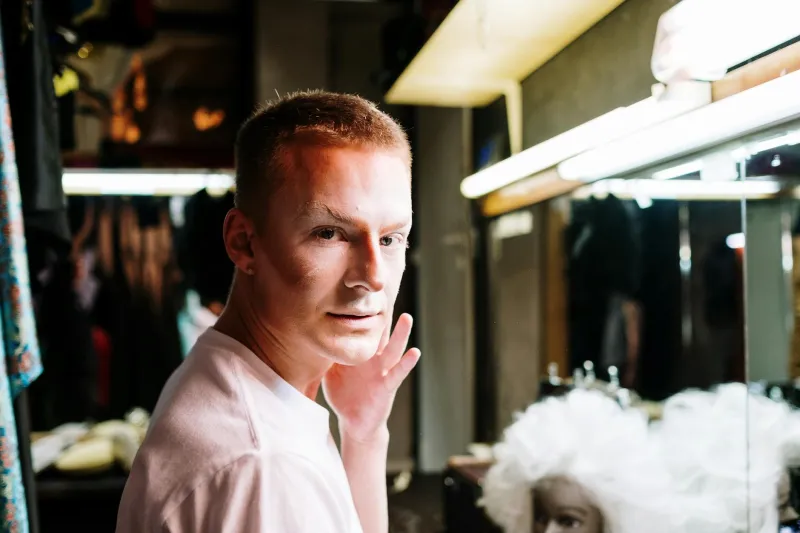
The Authority Behind the Wardrobe
Whilst the spotlight illuminates performers on Britain's stages and screens, the true architects of visual transformation remain largely invisible. These are the costume designers whose intimate understanding of fabric, colour theory, and historical accuracy shapes how we perceive character and narrative. More intriguingly, their professional expertise in the transformative power of appearance quietly informs their own personal beauty philosophies.
Sandy Powell, the three-time Academy Award winner whose work spans from Shakespeare in Love to The Favourite, approaches her personal skincare routine with the same methodical precision she brings to period research. "Understanding how light interacts with different textures and finishes is fundamental to both costume design and personal grooming," Powell explains. Her bathroom cabinet reflects this philosophy: carefully curated products chosen for their finish and longevity rather than their marketing appeal.
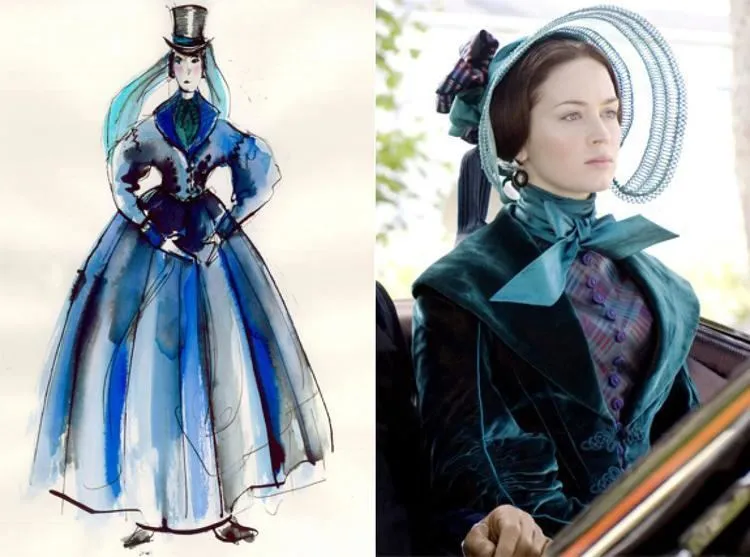 Photo: Sandy Powell, via alchetron.com
The Professional Perspective on Personal Style
For costume designers, every day presents a masterclass in the psychology of appearance. Jenny Beavan, whose work on films like A Room with a View and Mad Max: Fury Road demonstrates her versatility, has developed a personal beauty routine that prioritises adaptability above all else. "My work requires me to move between vastly different aesthetic worlds sometimes within the same week," she notes. "My personal approach to beauty needs to be equally flexible."
 Photo: Jenny Beavan, via www.interviewmagazine.com
This translates into a skincare regime built around products that perform consistently under varying conditions—from the dry heat of film studios to the humidity of theatrical rehearsal rooms. Beavan favours barrier-repair formulations and multi-functional products that can withstand the demands of her peripatetic professional life.
The Colour Theorist's Approach
Louise Stjernsward, whose television work includes Downton Abbey and The Crown, brings a colour theorist's precision to her personal palette selection. Having spent years understanding how different hues interact with various skin tones under artificial lighting, Stjernsward approaches her own makeup with scientific rigour.
 Photo: Louise Stjernsward, via blogs.depaul.edu
"Television lighting can be unforgiving," she observes. "I've learned which undertones work with my complexion under different types of illumination." Her personal collection reflects this expertise: foundations and concealers selected not for their marketing promises but for their proven performance under scrutiny.
The Historical Perspective
Perhaps most fascinating is how these designers' immersion in historical beauty practices influences their contemporary choices. Jacqueline Durran, whose period work includes Pride and Prejudice and Anna Karenina, has developed an appreciation for traditional skincare ingredients that predates the current 'clean beauty' movement by decades.
"Researching historical cosmetics and skincare practices for period productions introduced me to ingredients and techniques that modern beauty marketing has only recently rediscovered," Durran explains. Her personal routine incorporates elements inspired by historical practices: rose water as a toner, cold cream for cleansing, and the strategic use of oils for both skincare and subtle highlighting.
The Practical Perfectionist
The demanding schedules of film and television production require beauty routines that can withstand eighteen-hour days and constant travel. Consolata Boyle, whose work spans from The Queen to Florence Foster Jenkins, has refined her personal routine to what she terms "elegant efficiency."
"Every product in my kit needs to justify its place," Boyle states. "This applies equally to my personal collection." Her approach favours multi-functional products and time-tested formulations over trend-driven innovations. The result is a streamlined routine that delivers consistent results regardless of circumstances.
The Texture Specialist's Touch
Working intimately with fabrics ranging from delicate silks to heavy wools has given these designers an acute sensitivity to texture that extends to their skincare choices. Caroline McCall, whose work includes Victoria and Poldark, describes how her professional understanding of how different materials interact with skin has influenced her product selection.
"Costume design teaches you about layering, about how different textures work together or against each other," McCall explains. "I apply the same principles to skincare—understanding how different product textures interact and complement each other throughout my routine."
The Minimalist's Maxim
Remarkably, despite their professional immersion in the transformative power of appearance, many of Britain's leading costume designers embrace a surprisingly minimalist approach to personal beauty. This isn't born of disinterest but rather from a sophisticated understanding of when less achieves more.
Ruth Myers, whose work includes The Danish Girl and My Week with Marilyn, articulates this philosophy: "Professional costume work teaches you that the most powerful transformations often come from subtle adjustments rather than dramatic overhauls. The same principle applies to personal grooming."
The Transferable Lesson
What emerges from conversations with these creative authorities is a consistent theme: the importance of understanding one's own 'character' and selecting products and techniques that enhance rather than mask natural qualities. Their professional expertise in creating authentic, believable characters translates into a personal beauty philosophy that prioritises authenticity over artifice.
For the discerning beauty enthusiast, the lesson is clear: approach personal grooming with the same thoughtfulness and precision that these designers bring to their professional work. Consider how products interact with each other, understand your own colouring and skin needs, and never underestimate the power of subtle, well-executed details.