From Apothecary to Icon: The Renaissance of Britain's Pharmaceutical Beauty Legacy
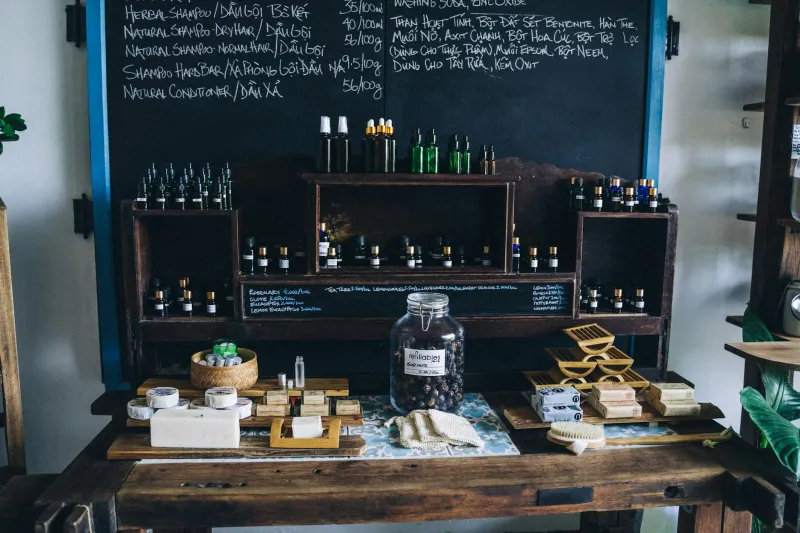
The Roots of British Beauty Excellence
Walk through Jermyn Street on any given morning, and you'll witness a living testament to Britain's unparalleled beauty heritage. Behind the Georgian facades lie establishments that have been crafting bespoke formulations since before the term 'skincare routine' entered the lexicon. This isn't merely about nostalgia—it's about understanding why British beauty brands command such reverence in an increasingly crowded marketplace.
The foundation of Britain's skincare supremacy lies not in borrowed philosophies from distant shores, but in a pharmaceutical tradition that spans centuries. Long before K-beauty or French pharmacy became buzzwords, British apothecaries were pioneering the marriage of botanical science and cosmetic artistry that defines luxury skincare today.
The Victorian Blueprint for Modern Formulation
The Victorian era established the template for what we now recognise as premium skincare methodology. Chemist shops of the period weren't merely retailers—they were laboratories where qualified pharmacists compounded bespoke preparations for discerning clientele. This tradition of personalised formulation, rooted in scientific rigour rather than marketing hyperbole, established principles that continue to distinguish British beauty brands.
Consider the legacy of establishments like D.R. Harris, founded in 1790, or Penhaligon's, established in 1870. These weren't beauty brands in the contemporary sense—they were pharmaceutical houses that happened to excel at creating products that enhanced one's appearance whilst addressing genuine skin concerns. The distinction is crucial: where modern beauty often prioritises aesthetics over efficacy, these historic apothecaries built their reputations on delivering measurable results.
The royal warrant system further elevated British beauty standards. When establishments earned the privilege of supplying the monarchy, they weren't merely gaining a prestigious client—they were accepting a standard of excellence that demanded consistency across decades, sometimes centuries. This accountability fostered an approach to product development that prioritised longevity over trends, quality over quantity.
Contemporary Custodians of Tradition
Today's most compelling British skincare brands understand that innovation doesn't require abandoning heritage—it demands building upon it. Brands like Susanne Kaufmann's British collaborations, Dr. Barbara Sturm's London clinic influence, and homegrown heroes like Aurelia Probiotic Skincare demonstrate how contemporary science can amplify traditional British botanical expertise.
The resurgence of interest in herbalist methodologies reflects a sophisticated understanding that effective skincare often lies in time-tested approaches rather than revolutionary breakthroughs. British brands excel at this synthesis because they inherit institutional knowledge spanning generations. Where newer beauty markets must reconstruct traditional wisdom, British skincare can draw directly from unbroken lineages of expertise.
This pharmaceutical foundation manifests in several distinctive characteristics that define British skincare excellence. Firstly, there's an emphasis on ingredient transparency that stems from the apothecary tradition of listing active compounds. Secondly, British brands typically favour gentle efficacy over dramatic transformation—an approach rooted in the medical principle of 'first, do no harm'. Finally, there's a commitment to sustainable sourcing that reflects the herbalist understanding of environmental stewardship.
The Science of Sophistication
What distinguishes British skincare from its international counterparts isn't merely heritage—it's the integration of that heritage with cutting-edge dermatological science. British universities have long been at the forefront of cosmetic chemistry research, and this academic excellence feeds directly into commercial product development.
The result is a skincare philosophy that values substance over spectacle. British formulations tend to focus on proven actives delivered through sophisticated delivery systems rather than relying on exotic ingredients with limited efficacy data. This approach appeals to discerning consumers who understand that effective skincare is ultimately about consistent results rather than momentary sensations.
Consider how British brands approach anti-ageing formulations. Rather than promising miraculous overnight transformations, they typically offer gradual, sustainable improvements backed by clinical data. This measured approach reflects the apothecary principle that genuine health—including skin health—is built through consistent, appropriate intervention rather than dramatic intervention.
The Future of British Beauty Heritage
As the global beauty industry becomes increasingly homogenised, British skincare's apothecary roots offer a distinct competitive advantage. Consumers seeking authenticity and efficacy are drawn to brands that can demonstrate genuine heritage alongside modern innovation. This represents an opportunity for British beauty to assert leadership in an industry too often dominated by marketing over substance.
The challenge lies in maintaining this pharmaceutical rigour whilst adapting to contemporary consumer expectations. Modern skincare users demand transparency, sustainability, and inclusivity—values that align naturally with traditional British apothecary principles but require thoughtful implementation in contemporary contexts.
British skincare's future success depends on brands recognising that their apothecary heritage isn't a constraint—it's their greatest asset. In an era of beauty overload, the British tradition of measured, scientific approach to skincare offers a compelling alternative to trend-driven consumption. This represents not just commercial opportunity, but a return to the fundamental principles that made British beauty excellent in the first place.
The Chelsea apothecary effect isn't merely about preserving tradition—it's about demonstrating that the most sophisticated approach to skincare isn't revolutionary, but evolutionary. British beauty's greatest strength lies in understanding that true luxury skincare isn't about following trends, but about setting standards that endure.